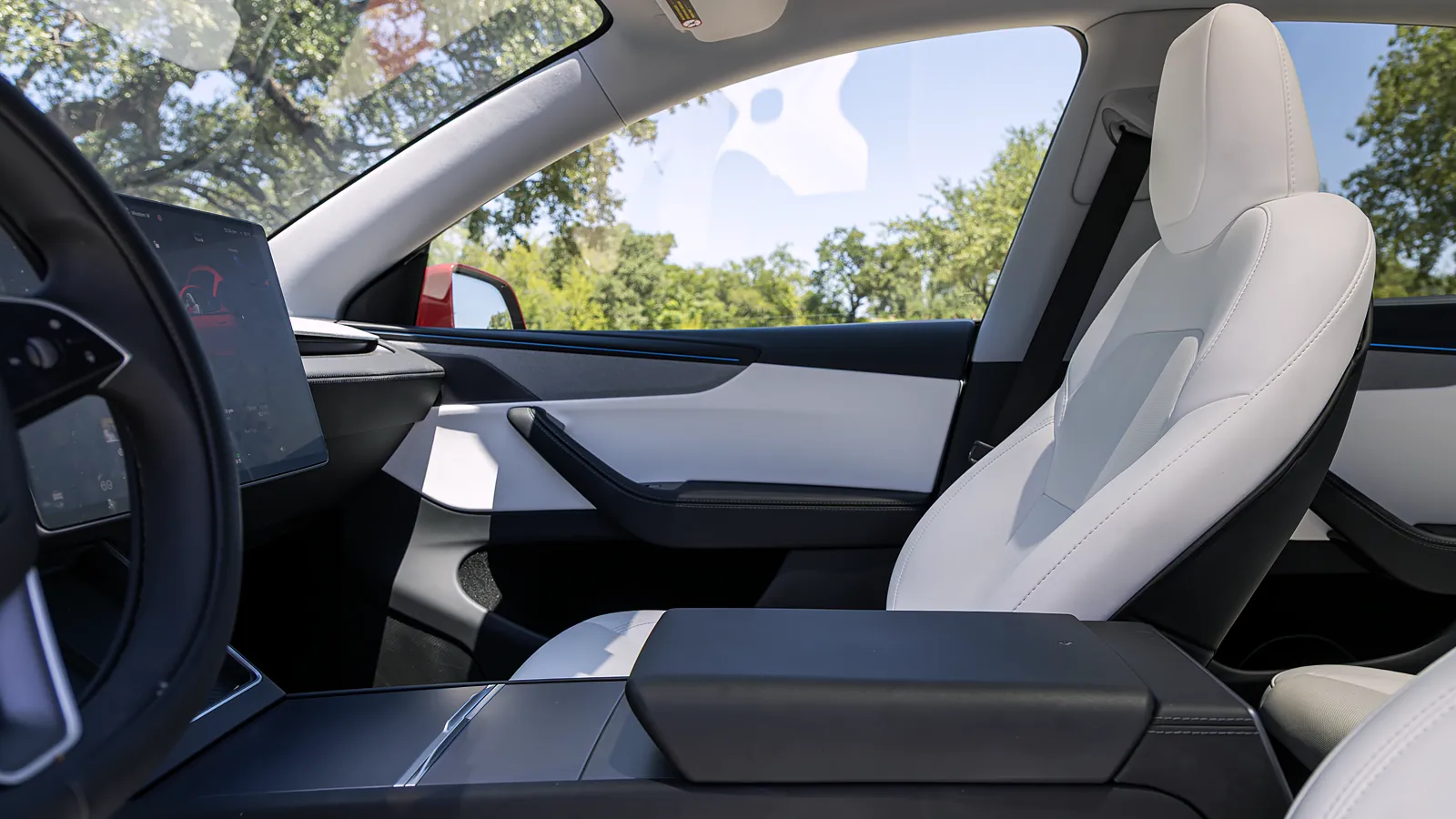

A common question for those looking to buy a Tesla is whether they should choose the white or black interior option. I’ve owned both, starting with the black interior in my Model 3 before switching to a white interior in my Model S and Model Y.
As a Tesla owner, here are the pros and cons of each option, and why I made the switch from black to white.
Tesla’s Vegan Leather
It should be noted that Tesla does not offer real leather on any of its new vehicles and hasn’t since the early years of the Model S and Model X. Instead, vegan leather is made from a combination of polyurethane and polyester, along with other materials to create the desired texture and appearance.
It’s essentially a hybrid plastic material. The primary purposes of vegan leather are to lower production costs and ensure it’s cruelty-free.

Like all vegan leather, Tesla’s interiors are designed to look like the real thing.
Related Reading: 8 Pros & Cons of Owning a Tesla
My Experience with Tesla’s Black Interior
I ordered my first Tesla, a Model 3, with the standard black interior. At the time, I was hoping to save some money and was a bit concerned that the brilliant white vegan leather would stain more easily. While spills and dirt were less visible, the black interior took away from the airy and futuristic aesthetic.
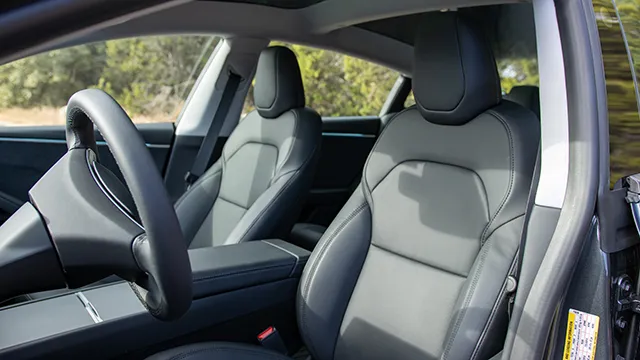
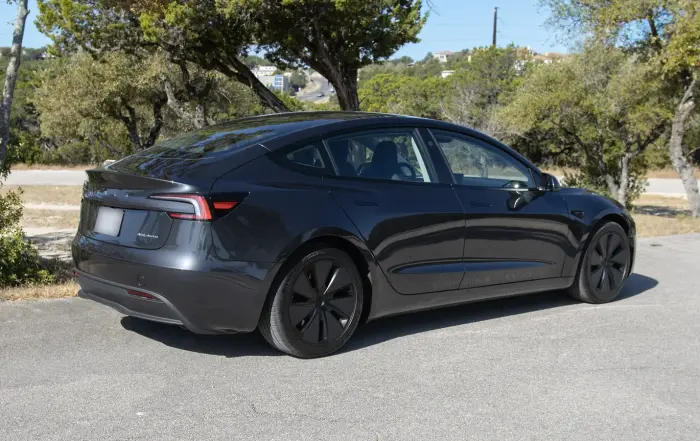
Even with the white headliner, the black interior (as seen in this Model 3 Highland) is still quite dark.
One significant issue I had with the black seats was that they trapped heat. During the Texas summer, they became extremely hot to the touch and very uncomfortable when wearing shorts, unless I pre-cooled the cabin before getting in.
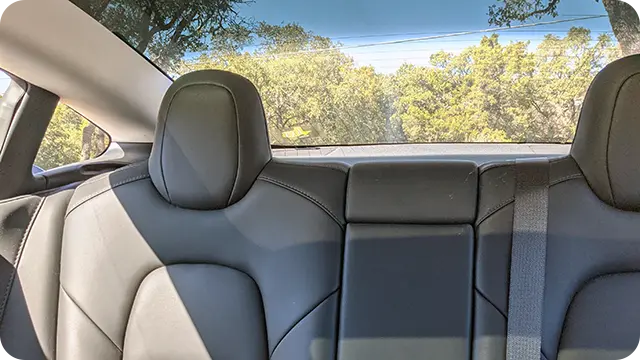
Despite being tinted, the glass roof didn’t help matters much.
Related Reading: Phantom Drain: Why Tesla, EVs Lose Charge + Tips
In terms of stains and durability, while you don’t have to worry about issues like blue jean dye rubbing off on your seats, wrinkles and other issues can develop over time. For example, here’s a picture of a 6-month-old Model S where wrinkles and cracks in the material have already become an eyesore.
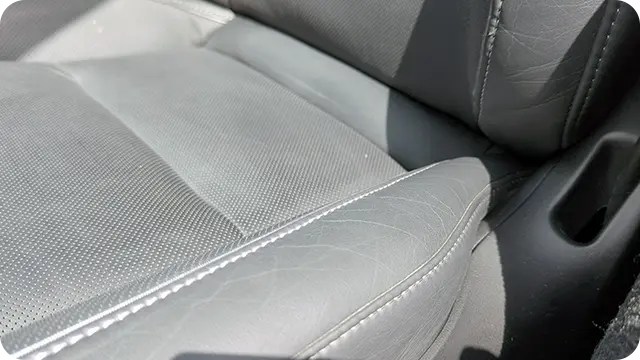
Wear is showing significantly on this 6-month-old Model S driver’s seat.
I did enjoy the wood veneer used on the dashboard (and later the door panels), which offered a more upscale vibe compared to the plastic trim parts of the white interiors in the Model 3 and Model Y.
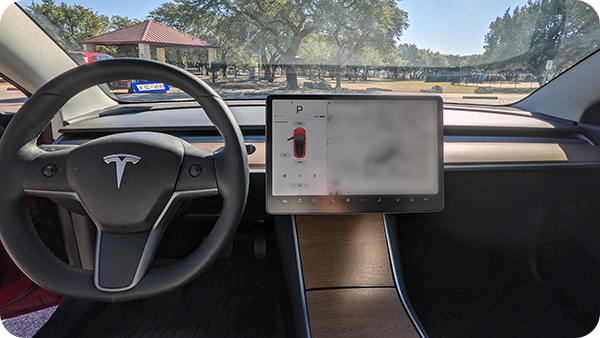
The wood dashboard in my old Model 3. The center console has an aftermarket vinyl wood wrap.
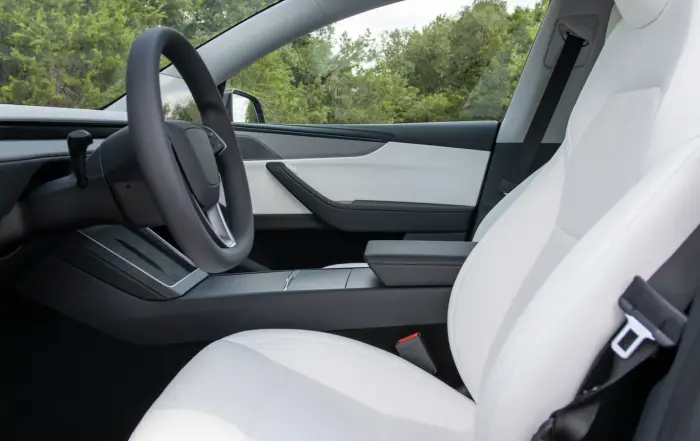
The refreshed 2024 Model 3 black interior no longer offers wood accents, but I like the new design better overall.
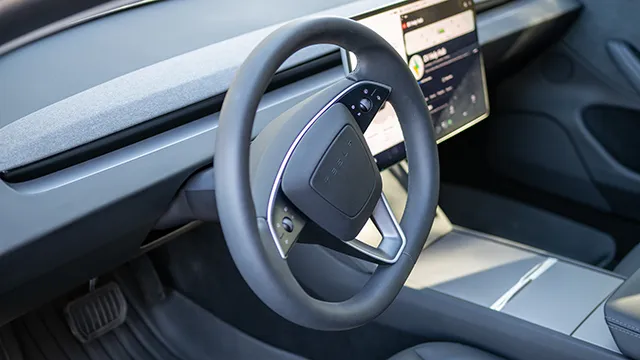
The dashboard of the Highland Model 3.
Tesla Black Interior Pros and Cons
To summarize, here’s what I like and don’t like about Tesla’s black interior option.
Pros
- Less expensive ($1,000 less on Model 3/Y; $2,000 cheaper on Model S/X)
- Hides dirt and spills much more easily
- No concern about blue jean dye transfer
Cons
- Black seats get very hot in the summer
- Darkens the cabin significantly, making it feel less inviting
- Material wear, especially on the seats, is very noticeable
Why I Like Tesla’s White Interior
In my next two Tesla vehicles, a Model S and a Model Y, I switched to the white interior. I ended up very happy with the decision.
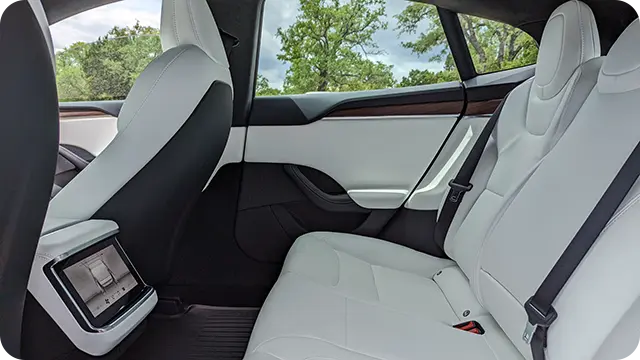
The vibrant white vegan leather pairs perfectly with the wood accents in the Model S.
Not only did I love the more modern look, but the seats were also far less prone to absorbing heat. While the material would still get very warm if you left the car parked in the sun, it was much less of an issue than with the black seats.
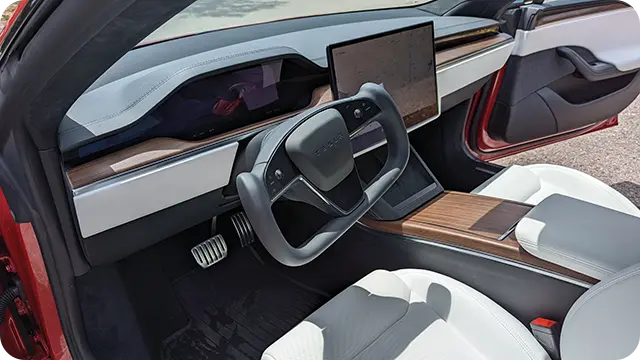
The sun still warms the white seats up, but nowhere near the level that the black material does.
Material wear on the white interior, such as wrinkles or cracks, is a bit harder to spot compared to the black interior of the Model S I showed above. Here’s what one of my Model S’s front seats looked like after a few months of ownership. Can you spot the wrinkles?
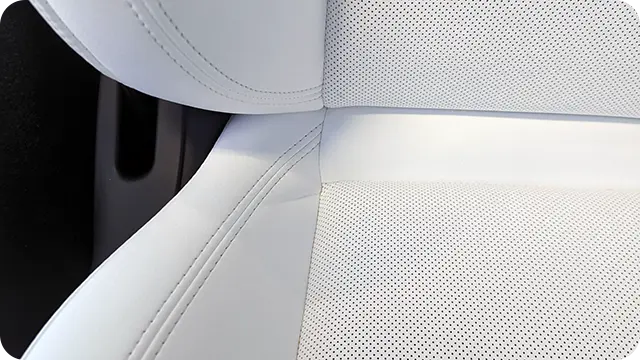
Wear is much more difficult to spot on the white vegan leather.
Now, for the elephant in the room: Is the white interior more difficult to keep clean?
The answer is that, yes, the white interior certainly gets dirtier more easily than the black. However, cleaning the white interior is just as easy, and staining isn’t really a concern outside of blue jean dye transfer.
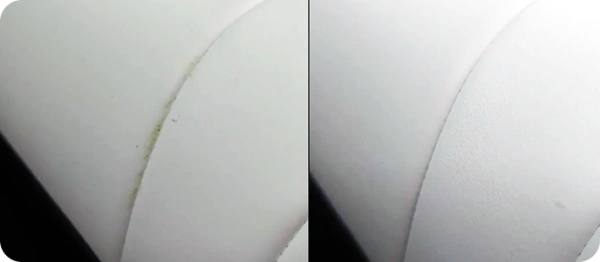
Before and after cleaning plant residue off my white Model Y seats.
To avoid permanent stains, you should clean the seats each week with baby wipes and/or apply an interior ceramic coating. I recommend cleaning the black interior each week as well; it will just be harder to spot some of the dirt if you don’t.
Pros and Cons of Tesla’s White Interior
Here are my pros and cons of Tesla’s white interior. It’s pretty much the opposite of the black interior.
Pros
- White seats absorb less heat and are more comfortable in the summer
- Makes the cabin feel spacious and modern
- Imperfections and wear may be less noticeable
Cons
- More expensive ($2,000 more on most Model 3/S/X configurations and $1,000 more on Model Y)
- Needs to be cleaned on a weekly basis or it will look very dirty
- Blue jean dye transfer may occur over time even with regular cleaning
Cleaning & Maintenance Needs Are the Same
The truth is, unless you wear blue jeans a lot, the only difference in terms of cleaning and maintaining your white or black interior is how comfortable you are with how dirty your car looks.
Wipe down the interior materials on a weekly basis with gentle soap (not dish soap) and warm water or unscented baby wipes, which is what I always used. Some owners will say that this doesn’t work, but it always has for me. Consistency is the key here.
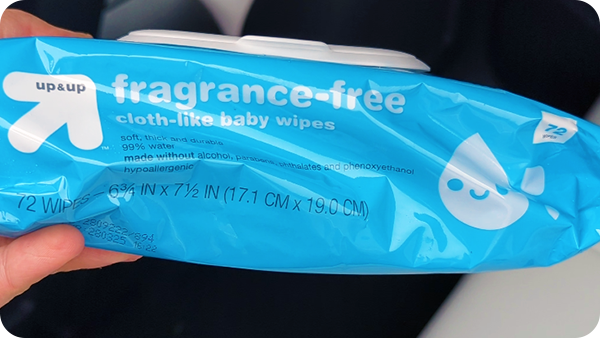
The baby wipes I use to clean my Tesla’s interior.
Related Reading: Tesla Maintenance Costs & Warranty Information
What About Resale Value?
There’s no data to suggest that one of these interior colors sells for a higher average price on the used market. Assuming you properly care for your interior, it really shouldn’t matter. Some used-car buyers will want the white interior, and others will prefer the black. I wouldn’t worry about this at all.
What I Recommend
If you like the look of the white interior the best, then I’d say go for it. In my opinion, it’s worth the extra cost and minimal time to maintain. And, as I mentioned, you can always add a ceramic coating to the material for extra protection. No matter what, I always recommend grabbing all-weather floor mats, too. I use those made by 3W liners.
These are expensive vehicles as it is, so you should want to keep them nice and shiny regardless. Of course, if you prefer the black interior, I’d recommend not parking in the sun if possible and pre-cooling your cabin for a few minutes before getting in during the hot summer months.
Related Reading: How Much Does it Cost to Charge a Tesla?
Sources