

Because Teslas rely on batteries and often face build-quality challenges, it’s fair to ask how long they last. Here’s what you need to know, and I’ll give you my thoughts as a 4-time owner.
Battery Packs
Most EV owners worry about this component because it’s a Tesla’s most expensive part, and a replacement can cost over $15,000.
Tesla Battery Warranty
First and foremost, a robust battery warranty covers all new Tesla EVs for 8 years and between 100,000-150,000 miles (depending on your model). The warranty guarantees 70% usable capacity retention.

The battery pack is the core of any Tesla, with a price point to match.
This means you probably won’t need to worry about the battery pack unless you plan to keep the car until it’s completely undrivable. The original warranty also extends to used Teslas, of course. But note that Tesla’s extended service agreement doesn’t cover the high-voltage battery.
Battery Degradation
You might have noticed the 70% retention stipulation with the battery warranty. Basically, Tesla won’t replace your battery under warranty as long as it charges up to 70% of its original capacity. That’s because all batteries slowly lose rechargeable capacity over time. For EVs, the rate of loss normalizes to 2-3% per year.
How Long Do Tesla Batteries Last?
Various studies show that Tesla batteries can easily last 150,000–200,000 miles, usually with 70% or more of the battery remaining. If you are really concerned, I’d recommend buying a new or gently used Tesla.
Protecting a Tesla’s Battery Health
Luckily, as an owner, you can do some things to extend your Tesla’s battery pack life. It mostly comes down to managing charge levels and how you charge.
Here are some tips to keep in mind:
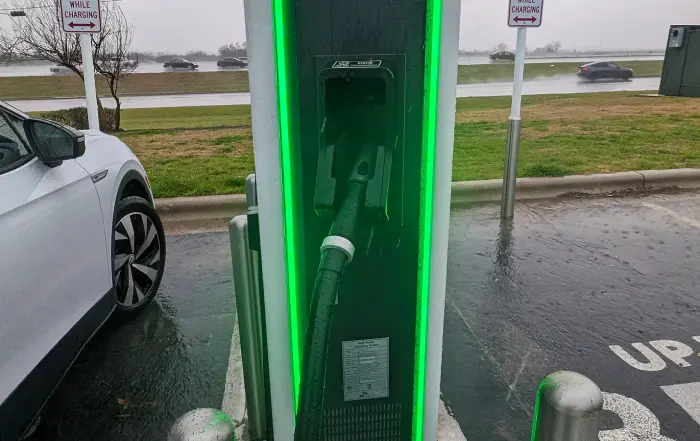
- Though the level of harm is disputed, Level 3 (DC) fast charging at Supercharger stations very frequently and doing so to high states of charge (80% or more) may shorten your Tesla’s life.
- Studies haven’t shown a notable difference in lifespan between Level 1 (regular wall outlet) and Level 2 (240V) home charging.
- Charging to 100% or discharging to 20% or below frequently also impacts the battery’s life.
- You can slowly damage the batteries when you let the car sit at these levels for long periods of time.
- If you can charge at home daily, I recommend keeping your Tesla between 40% and 70% at all times. As long as you avoid the first two items on this list, you’ll be fine.
What About Tesla’s Electric Motors?
Unlike internal combustion engine vehicles, electric car motors are very simplistic and don’t have a ton of moving parts. If your Tesla’s motor(s) are good from the factory, chances are you won’t need to worry much about them long-term.
In fact, there’s no real maintenance to speak of. Tesla covers them with the same 8-year, 100,000–150,000-mile warranty as the battery pack. FYI, replacing Tesla’s motors costs about half the price of a new battery pack.
Build Quality, An Overlooked Concern
One aspect of long-term Tesla ownership that I think people overlook is the build and material quality.
Even though they’ve made a lot of progress, Teslas still often come with external body panels that don’t fit quite right. This can lead to extra wear and tear from the elements over time. Inside, flimsy connector parts might cause a trim piece to come loose or break. You’d need an out-of-pocket repair after the 4-year, 50,000-mile basic warranty is gone
All four of the Tesla models I’ve owned had issues both inside and out. While the problems always seemed minor, I didn’t own any of the cars for 10 years to see how they might grow over time
Material Quality
Personally, my biggest concern with a Tesla’s longevity is the quality of its materials. I don’t know if they’re a result of cost cutting or what, but I have seen signs of earlier-than-expected wear on the vinyl surfaces, like the seats, door trim, and steering wheel, compared to other vehicles I’ve owned.
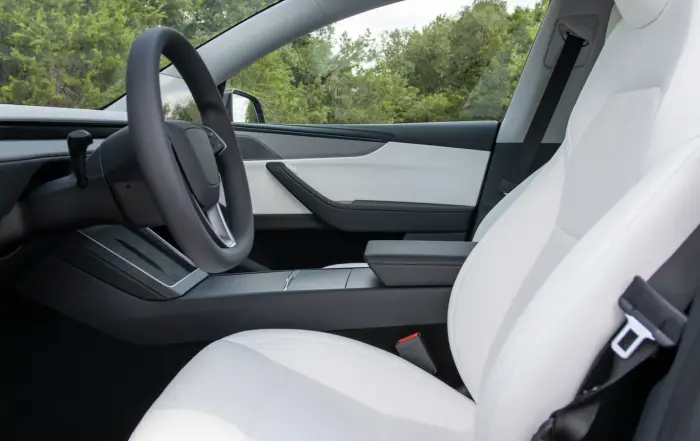
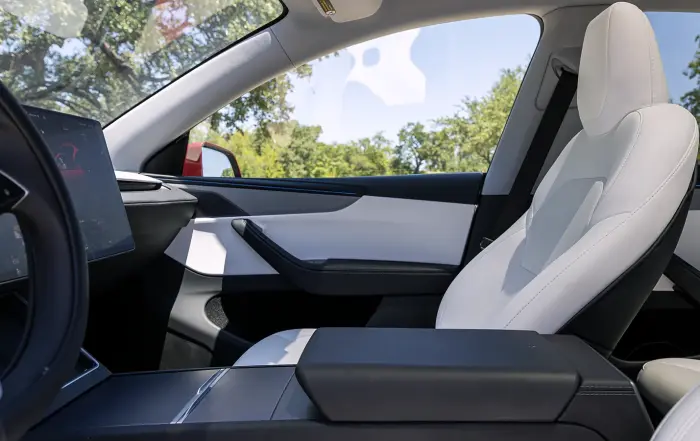
For example, I’m a big fan of Tesla’s white interiors, but you need to clean them frequently (baby wipes are best) or staining can easily show up. I’d also avoid touching your head against the headrest if you use hair products and washing your hands before you grab the steering wheel if you have sunscreen on.
All of these can damage a Tesla’s vinyl more quickly than you’re probably used to.
Other Parts (Screen, Processor, Etc.)
As with other luxury vehicles, the air suspension in the Model S/X has caused owners some headaches over the years. Repairs and replacements are bound to happen out of warranty. The original Tesla processor (media control unit or “MCU”), the MCU1, had some flash memory failures, but they’ve since been very reliable.

Tesla’s processors have been quite reliable so far.
Outside of that, Tesla owners don’t have any widespread concerns or reported issues with other components. This includes the center screen, which should outlive the car.
The Data Is Still Limited
It’s important to remember that while the earliest ground-up Tesla vehicles, like the original Model S, are 12+ years old, the vast majority on the road today are less than 5 years old. These newer cars have better technology that should continue to help with battery longevity and other things.
We will learn more about how Teslas hold up, especially the Model 3 and Model Y, as we approach 2030.
Should You Be Worried?
For the most part, you shouldn’t worry about your Tesla’s longevity or reliability compared to any other car. Plenty of owners have more than 100,000 miles on their odometers with few to no issues.
As Tesla continues to improve its manufacturing process, battery management software, and quality control, I expect that a Tesla will soon easily surpass complex internal combustion engines in longevity.
For now, my best advice is to keep the charging tips above in mind, avoid buying a really old Tesla (7+ years), and otherwise, enjoy driving one of the best cars you can own!
Sources
Related Articles