
Since electric cars run off of electricity instead of fuel like gasoline, you might be wondering if there are any risks to charging during a thunderstorm or in wet conditions. Here’s why, or why not, charging your EV is a concern during these weather events.
Can You Charge a Tesla or Other EV in Rain?
The answer is yes, absolutely you can charge a Tesla or any other type of electric vehicle while it’s raining, even if the charge port gets wet.
But “how?”, you may ask. The simple explanation is waterproofing via special material coatings on the charge port and charger handles themselves, along with very strict component designs for both the vehicle and charging station that offer other safeguards.

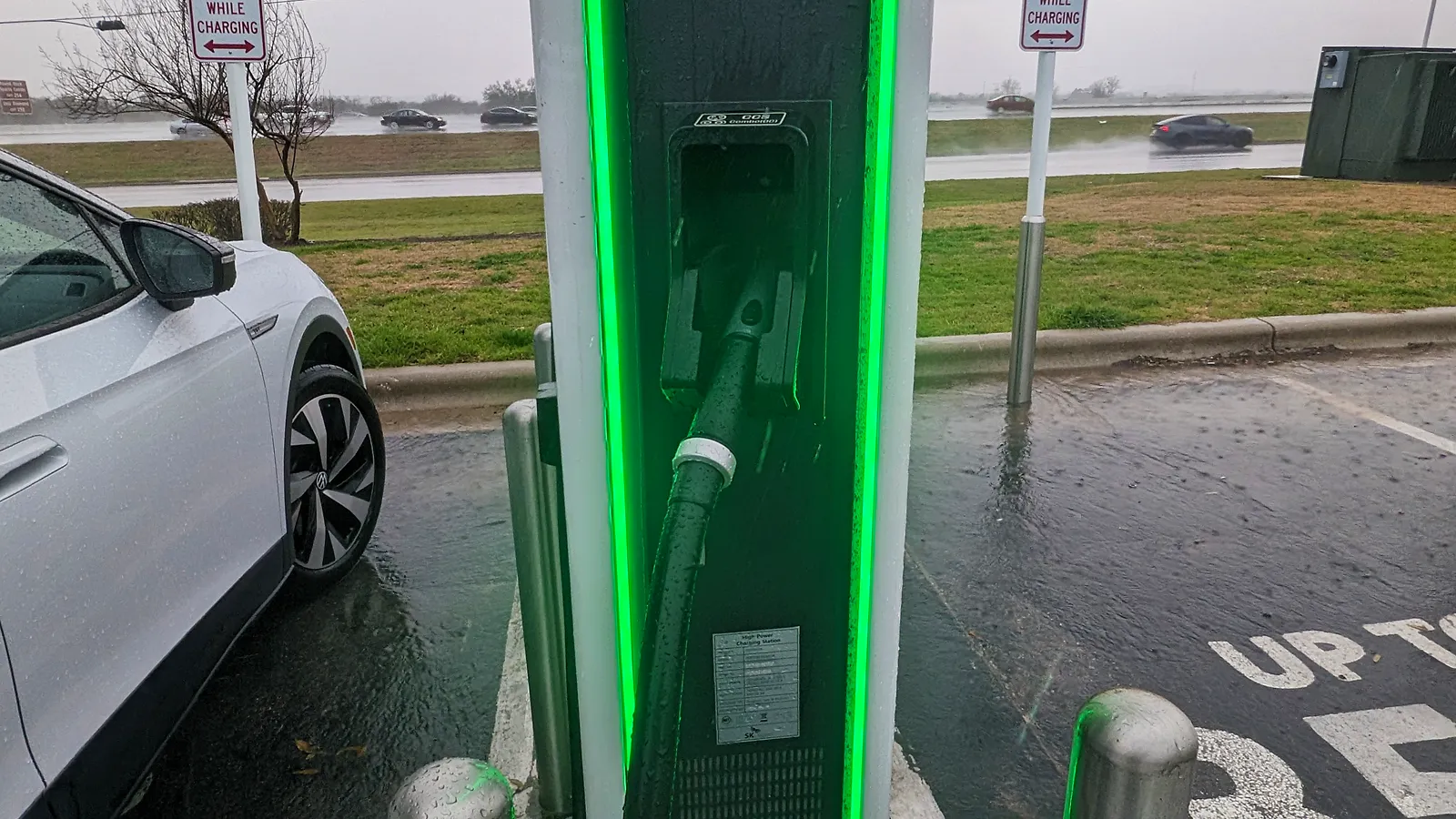
My VW ID.4 charging during a recent downpour.
To be clear, it’s not just light rain that you can charge in either. As you can see in the picture above, charging during a significant downpour also isn’t an issue. Again proving that the charging components for both the car and the stall are very water resistant.
Related Reading: How Much Does it Cost to Charge a Tesla?
What if I Drop a Charger Handle in a Puddle?
If you are at a public charging station and drop the charging handle into a puddle of water, it’s very possible that a safety mechanism may kick in if it detects moisture.
If a significant amount of water is present, it may not charge. Keep in mind that electricity is not flowing through the cable until the charger communicates and confirms its connection with your car, so you aren’t in danger of being electrocuted either.

This charging handle got pretty wet while plugging it into my vehicle, but it still worked just fine.
What if I Drop My Home Charger Cable in a Puddle?
If you drop the part of your electric vehicle supply equipment (EVSE) that plugs into the wall in water, then you should definitely not attempt to use it until it is completely dry. You risk causing a power surge that could permanently damage your equipment or the outlet.
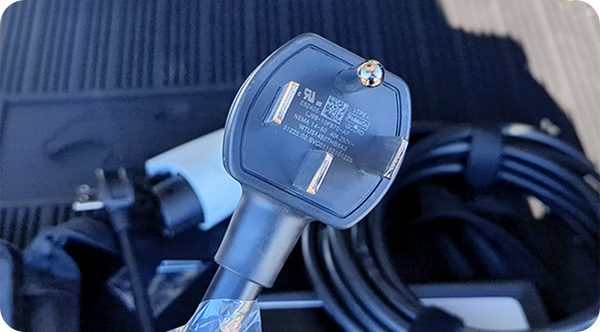
If you drop your home charging equipment plug in water, let it fully dry first.
Similarly, if you drop the charging handle itself into a puddle of water, you should still let it dry first. High-quality equipment that meets safety standards can likely be plugged in immediately, but it’s not worth the risk.
Can You Charge an EV During Lightning?
Yes, you can charge your electric vehicle during lightning. In the extremely unlikely event that your car or the charging station gets struck by lightning, both have surge protection built-in as part of their incredibly strict safety guidelines.
The Faraday cage effect means electricity takes the path of least resistance: in this case, the metal exterior body of your vehicle rather than the interior, where there are far more materials not conducive to this movement.

Lightning isn’t likely to cause permanent damage to your vehicle while it’s charging.
A lightning strike would most likely exit through the four rubber tires, rendering it completely harmless. Charging handles and cables are also made of plastic and rubber, both of which are insulator materials that will “stop” the spread of electricity.
In the worst-case scenario, the charging station will shut off and/or your car will disconnect power to the high-voltage battery pack both protecting it and you. If you are at home, I always recommend using a surge protector when charging to protect your charging equipment, in case of a power surge.
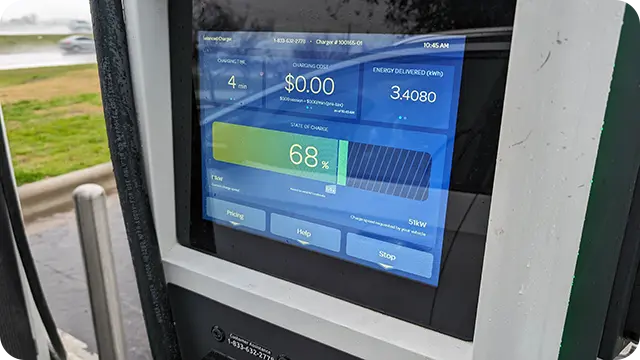
Chargers have shutoff protocols that can stop charging or reduce power in emergency situations.
Related Reading: EV Chargers, Adapters & Accessories You Might Need
Driving an EV During Flooding
Now that you know charging during rain and lightning isn’t much of a concern, let’s talk about driving your electric car on roads with standing water.
Electric car battery packs and related electrical components are sealed water-tight and driving through a low level of flooding is just as safe as it is with any other vehicle. In fact, some electric cars may have a higher wading depth, because they don’t have air intakes which would normally choke an engine.
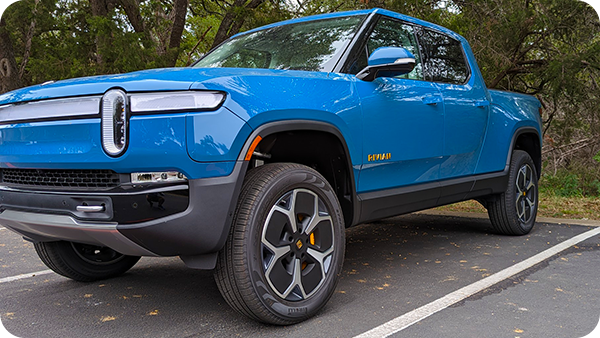
The Rivian R1T was advertised as having a wading depth of 3 ft thanks to its air suspension.
However, let’s be clear: you should never attempt to take your EV or any other car through flooding that’s significant or where the water depth is unknown. This could be incredibly dangerous and may cause damage to your vehicle, loss of control, or submersion.
If you wouldn’t take a gas-powered car through it, don’t take your EV, even if you think it can handle it.
Related Reading: Electric Cars: What They Are & How They Work
Tips & Recommendations
Here are some tips to keep in mind when charging during inclement weather.
- Use a surge protector at home: It’s a good practice, regardless if there’s a storm or not. A surge protector can help keep potentially expensive charging equipment safe and reduce issues that may trigger your electric car’s onboard safeguards.
- Don’t expose equipment to the elements: If you use a surge protector or an extension cord, they should always be covered and positioned away from exposure to moisture. The same goes with the part of your charging equipment that plugs into the outlet.
- Don’t charge with a wet plug: If your home charger’s outlet plug gets wet at all, then it should be thoroughly dried before you attempt to use it.
- Don’t charge with damaged equipment: If you see charging equipment that’s damaged, whether it’s the cord or plug itself, avoid using it. If it’s your home charger, get a replacement.
- Buy equipment only from trusted manufacturers: Always use the cables that came with your car or a charging cable from a reputable manufacturer that meets safety standards.
With all of this being said, don’t worry about charging or driving your electric car during inclement weather. There are no additional risks involved and the chances of damaging your vehicle are extremely low.
Related Reading: How Do You Pay to Charge Your EV? + Tips
Sources
Related Articles