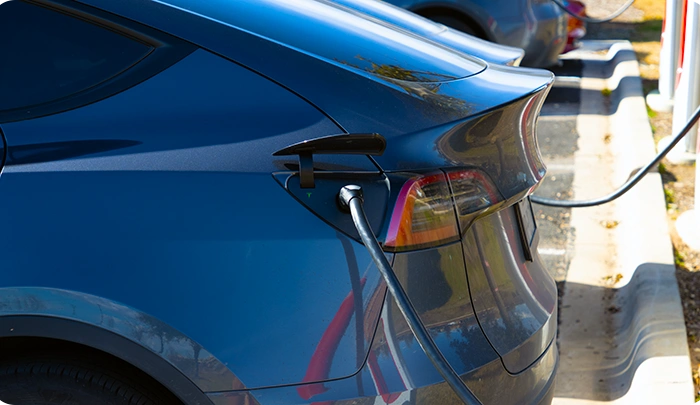
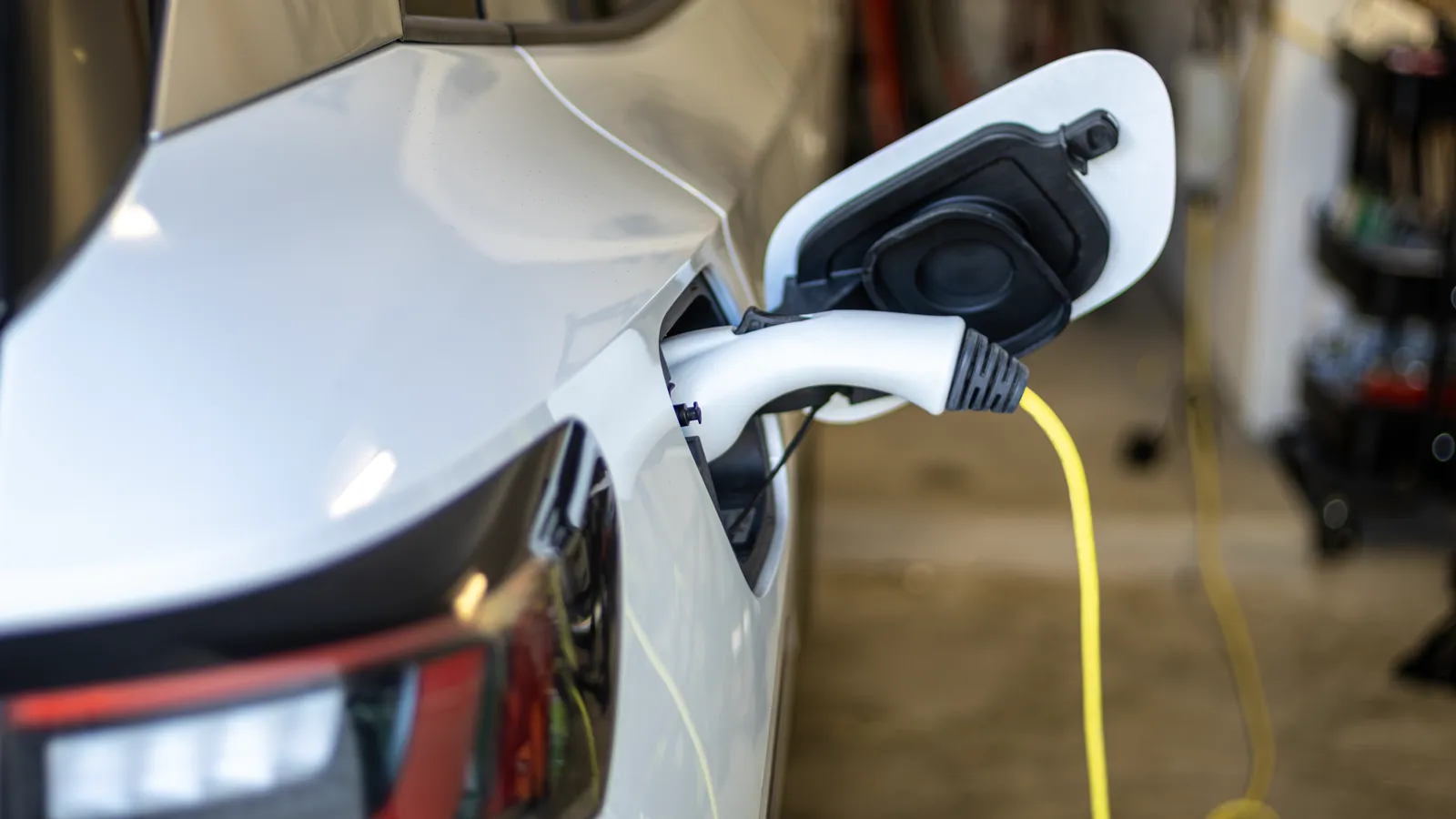

All new EVs come with the equipment you need to charge your car at home. But the question is, does the amount of range added per hour by this basic hardware meet your needs?
Home Charging Levels
There are three ways you can charge your electric car at home. You can use a 120V wall outlet, a 240V outlet like those dryers plug into, or you can hardwire equipment directly into your electrical system. Each option comes with its own rate of charge and costs.
Level 1 Charging
The slowest way to recharge your vehicle’s battery pack is commonly referred to as “Level 1” charging. For this, you simply plug your EV’s included equipment into a regular 120V wall outlet. Depending on your specific electric vehicle, you can expect between 2-4 miles of range added per hour of charging.

I primarily charge my EVs by using the included equipment which plugs right into a regular wall outlet.
While 2-4 miles of range added per hour sounds slow, and it is, it’s actually more than enough to cover the average American commute of 41 miles roundtrip as long as you plug in when you get home each night. After five years of owning electric cars, this has met almost all of my needs, with some exceptions discussed later.
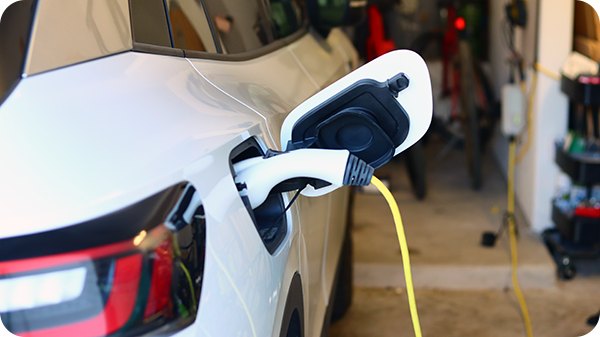
Level 1 home charging is simple, with often no additional costs, and can work just fine for many.
For most, there’s no additional upfront cost for Level 1 charging. That excludes Tesla owners, since this equipment is no longer included with new vehicle sales. Instead, you now need to pay for their mobile charging equipment separately when ordering your vehicle or from their online shop.
Level 2 Charging with an Outlet
If Level 1 charging isn’t enough to meet your needs, then you can opt for the next step up, which is known as “Level 2” charging. In this case, you have two options. The first option is to use a 240V outlet, such as a NEMA 14-50, along with an adapter for your mobile charger or completely separate equipment that you’ll need to purchase. Depending on your vehicle and outlet, you can expect 20-35 miles of range to be added per hour.
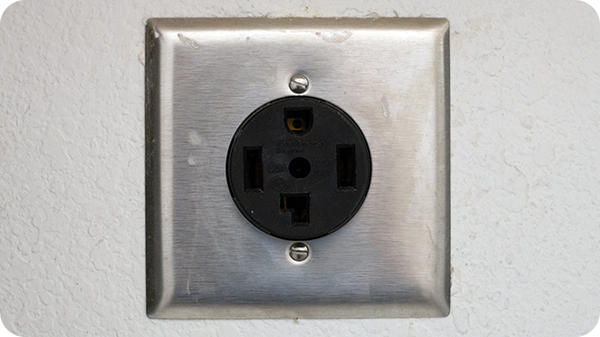
If you don’t have a 240V outlet available, it can cost quite a bit of money to get a new one installed.
Some EV models like the Ford Mustang Mach-E include an adapter capable of Level 2 charging, but it isn’t the norm. If you own a Tesla and have their mobile charging kit, it already comes with a NEMA 14-50 adapter; however, you can purchase other adapters online. For many other models, including my VW ID.4, you’ll need to decide between a wall-mounted charging station or a portable one.
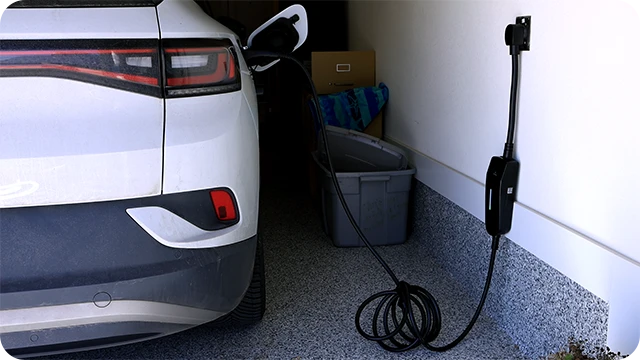
Most EVs don’t come with Level 2 adapters, so you’ll need to buy separate equipment like my Lectron charging cable.
Personally, I use Lectron’s Level 1/Level 2 combo portable charging cable. It’s one of the fastest home EVSEs on the market at 40 amps.
Level 2 Charging with Directly Wired Equipment
The fastest way to charge your EV at home is by installing a home charging station that is directly wired into your electrical system. While this refuels your EV at a rate of somewhere between 25-45 miles of range added per hour, it requires the highest upfront costs. You’ll need to pay an electrician to not only install the station, but also to potentially upgrade your home’s electrical system to be able to handle the additional load.
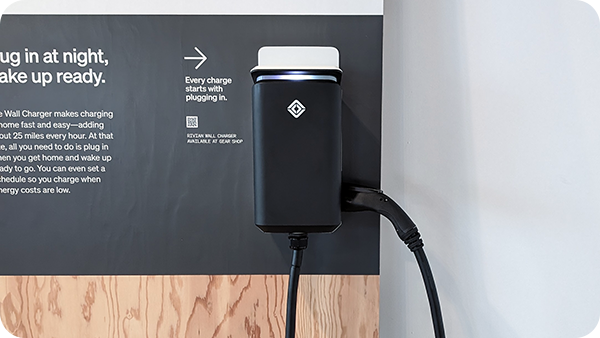
Hardwired home charging stations, like Rivian’s, can refuel your EV quickly, but could cost thousands upfront to install.
Why Would You Need a Level 2 Charger?
There are some situations where EV ownership would be difficult, or at the very least, very inconvenient, if you were only trying to charge using Level 1 equipment. These scenarios include:
- Living in a rural area: If you live a distance away from the city, charging infrastructure is going to be more sparse for at least the next half decade or so. You’re also likely to drive longer distances and may need more range per day than a Level 1 charger can provide.
- Extended commutes: Though the average American commute is 41 miles per day roundtrip, certainly there are those who travel 50, 60, or even more miles a day to get to work. Your battery might be enough to cover the extra mileage during the week, but it could leave you near empty on the weekends.
- Winter weather: Temperatures below freezing can have a big impact on electric car efficiency and not everyone lives in Southern California, Texas, or Florida. If that includes you, then you should expect to lose 30-40% of your rated range for at least 3-4 months out of the year.
- Backup plan for road trips: A big benefit of portable Level 2 charging equipment is that you can take it with you on extended drives to use at places like RV parks, in case of an emergency or if there are no public chargers available in more remote locations.
- Towing: Towing at max payload can reduce an EV’s range by around 50%. If you plan on doing this often, you’ll save a lot of money over the long term by purchasing or installing Level 2 charging equipment versus relying on often expensive public fast charging stations.
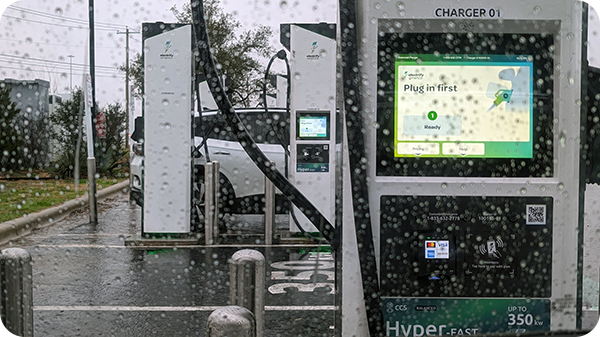
Adverse weather of all kinds can increase your reliance on fast public charging stations if you don’t have Level 2 equipment at home.
Over time I ran into many of these myself, which is why I purchased Level 2 charging equipment for when I need that extra range. I certainly could have done without, but the cost has been well worth the time saved.
Examples of Level 2 Chargers
If you have decided that Level 2 charging equipment is necessary for your situation, here are some options for you to consider.
Non-Portable Chargers
When it comes to non-portable chargers, the most important factors to consider are cable length and the type of installation—whether you will plug it into a NEMA 14-50 outlet (which most of the equipment is compatible with) or have it hardwired. All of these stations work with every EV on the market today.

Tesla’s Universal Home Charging Station can be purchased at Best Buy, as well as Tesla’s website.
- Tesla Universal Charging Station: The only option offered by Tesla is for the station to be hardwired. The equipment does not come with a NEMA 14-50 configuration. You can find it for sale at Best Buy or on Tesla’s website.
- ChargePoint Home Flex: ChargePoint, which operates one of the largest public charging networks, also sells Level 2 equipment for your home. You can buy a version which plugs directly into a NEMA 14-50 outlet or one that can be hardwired.
- Emporia EV Charger Level 2: As a much smaller brand, Emporia offers one of the least expensive home charging stations that you can buy which is priced close to 40% of the cost of others. However, this equipment is only compatible with a NEMA 14-50 outlet and can’t be hardwired.
Portable Level 2 Charging Cables
If you opt for a portable Level 2 charger instead, you just need to ensure it’s the right one for your specific outlet. For safety reasons, you should avoid using adapters.
Most portable charging equipment is pretty basic. I’d recommend choosing one that has good reviews and the lowest cost. Outside of the Lectron charging cable I own, which has been perfectly fine for me so far, here are some other options to explore:
Cost to Install a 240V Outlet
On average, you should expect to pay an electrician between $600-$1,000 to put a new 240V outlet in your garage. The cost will largely depend on how far away the outlet is from your electrical box on the exterior of your home, whether your panel needs to be upgraded, or if a subpanel has to be added. For the best charging speeds, you should always have a 240V NEMA 14-50 type installed, assuming your home’s electricity system can handle it.
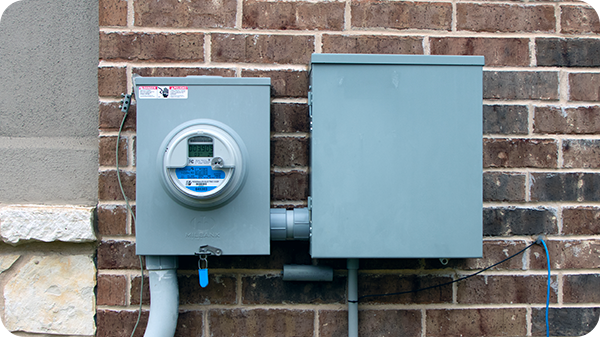
Your electrician will likely ask for you to send them pictures of your panel in order to provide you with an install quote.
In addition to this cost, you might need to buy new charging equipment if your mobile charger doesn’t allow for adapters, as is the case with my VW ID.4. You can purchase less portable options that hang on the wall, like ChargePoint’s Home Flex Level 2 charger, or one you can take with you, like the Splitvolt Level 2 charger I previously used. The cost for these chargers usually ranges from $300-$500.
Cost to Hardwire a Home Charger
Hardwired home EV charging stations are often capable of pulling more amps than a NEMA 14-50 outlet, which means the cost is going to be a bit higher. You might need new wiring or additional equipment like a breaker installed as well. Therefore, it’s a safe bet to estimate closer to $1,000 on the low end and upwards of $2,500 on the high end. There may be some local rebates available to help offset the price, though.
The home charging stations are likely to be more expensive as well. Popular choices include Tesla’s Universal Level 2 charger, which is $620.00 and can be bought on their website or at some retailers like Best Buy. Another highly reviewed option is Wallbox’s Pulsar Plus 48 amp Level 2 charger which is $699.99.
Sources