

Cold weather can have an effect on all cars, electric or otherwise. However, EVs, their battery packs, and charging equipment are especially susceptible to winter temperatures.
Why Cold Weather Impacts EVs
In short, batteries require a chemical reaction to work. When temperatures fall below a certain level, this reaction slows down. Therefore, EV battery charging and discharging is sedated and less efficient. High temperatures impact batteries too, just in a different way.

Freezing weather slows the electrical current charge and discharge process down.
Your electric car is still going to be perfectly drivable during the winter. There are just a few notable changes you’ll need to keep in mind.
How Cold Weather Impacts EVs
Cold weather leads to reduced driving efficiency, a temporary reduction in usable battery capacity and, therefore, a significant loss of range. Electric cars will charge much more slowly until the battery is warmed up. Functions like regenerative braking can also be temporarily reduced. On average, an EV’s efficiency will drop 30-40% during wintertime.
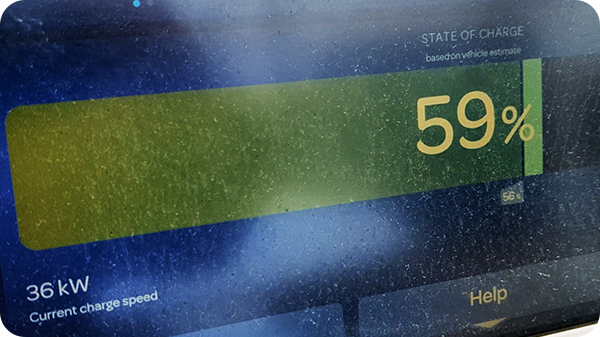
My ID.4’s charging rate was half of what it normally is during this cold day.
If you turn on the HVAC system, range will decrease even more. Electric cars’ battery packs generate the heat that’s pushed into the cabin. In my real-world range and charging test video below, you can see how freezing temperatures changed how my ID.4 functioned.

Preconditioning Your Battery Helps
The best way to mitigate some of these issues is by preconditioning your EV’s battery pack prior to driving or charging. While some EVs will have a dedicated function that you can activate, in other models you’ll just need to turn the cabin heat on high and run it for at least 20-30 minutes.
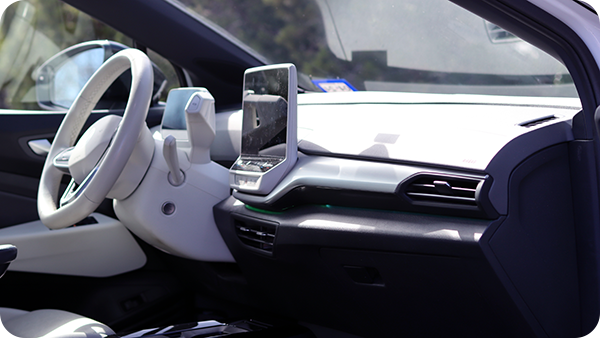
Using the HVAC to heat an EV’s cabin also warms its battery pack.
You should precondition your vehicle while it is still plugged in, because this process can use a lot of energy. If you are charging your electric car all night with Level 2 equipment, you may not need to do this. The process of charging warms the pack on its own. If your EV has been parked outside all night, preconditioning will help your battery’s performance tremendously.
EV Heat Pumps
Tesla, along with other companies like Kia, has implemented heat pumps to improve HVAC efficiency. These components use a compressed refrigerant to generate heat instead of solely relying on the battery pack.
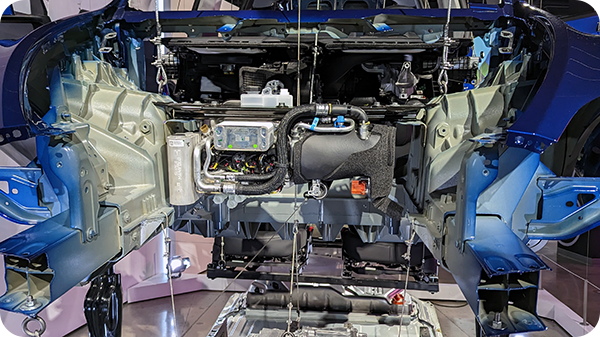
Tesla’s heat pump (center – wrapped in a black cover) can be seen in this display.
Heat pumps can lead to a 15-20% improvement in cold weather efficiency when warming the cabin. However, if temperatures are well below freezing, they can do very little to help in these conditions.
Tips for Cold Weather EV Driving
Here are some tips that will help you get the most range possible and the best performance out of your EV in freezing temperatures:
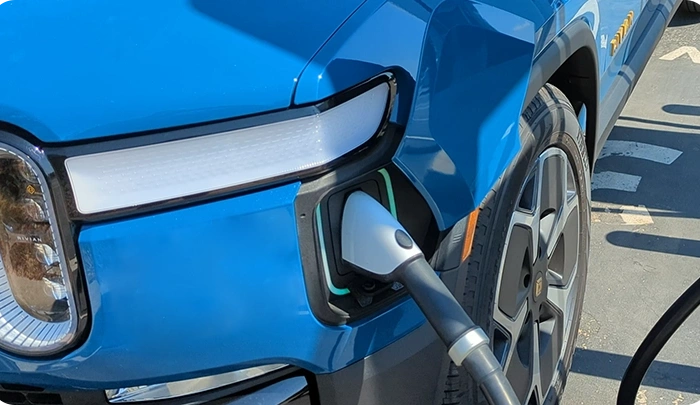
- Keep it plugged in: Charging, even trickle charging, will help keep your battery warm. It will also let your EV take power from the outlet rather than your battery for any basic operations it performs while you aren’t driving it.

It’s a best practice to always keep your EV plugged in during any season.
- Precondition your cabin and battery: Prior to unplugging, turn the heat to full blast and allow the car to use energy from your outlet to make the cabin more comfortable, while warming the battery pack to a more ideal temperature at the same time.
- Use heated seats and steering wheel: Take advantage of a heated steering wheel and heated seats. These features use a fraction of energy compared to the HVAC system.
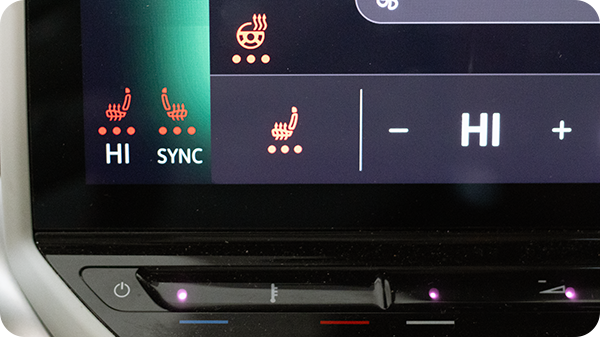
Opting for heated seats and turning down the HVAC system will save a lot of energy.
- Consider getting a Level 2 charger: I use Lectron’s Level 1 and Level 2 combo charging cable, which is one of the fastest portables on the market. It’s fairly basic feature-wise, but has worked great. You can get it from Lectron’s website or Amazon.
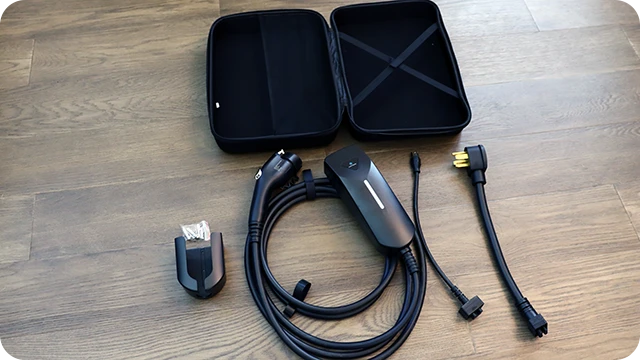
I use Lectron’s Level 1/Level 2 charging cable which provides up to 30 miles of range per hour (40 amps) making it one of the fastest portable charging solutions on the market.
- Park inside a garage: A garage will help keep your electric car’s battery warm, even if you can’t plug it in.
- Dress for the weather: Bundling up in a winter coat, hat, and gloves, even while in the car, will keep you warm enough so you won’t have to use the cabin heater as often. You don’t need to keep three or four layers on, but a sweater can help.
- Watch your speed: Don’t forget, headwinds and aerodynamics are still at play during the winter. Driving well above the speed limit will make your efficiency problem much worse.
- Know where the nearest charging station is: If you have a long commute or are going on an extended drive during the wintertime, it’s always best to have a charging plan. It’s also important to check that your favorite charging location is operational if there have been severe storms.
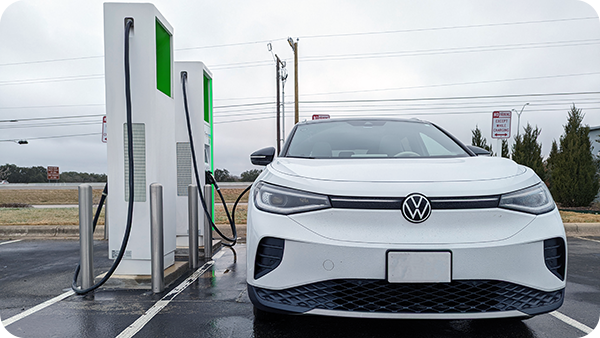
It’s always good to have a public charging backup plan in the winter.
Electric Cars in Cold Weather FAQ
Do Electric Cars Need to Warm Up?
You can drive an electric car immediately in the winter. While preconditioning your EV isn’t necessary, it helps to optimize your car’s battery temperature for maximum range and charging speeds.
Can Cold Weather Hurt Your Car Battery?
No, even well below freezing temperatures won’t hurt an electric car’s battery cells.
Which EVs Have Heat Pumps?
Most new EVs, including all current Teslas, Hyundai and Kia models, and GM’s lineup, now include heat pumps. The US version of the ID.4 still does not, though.
How Much Range Do EVs Lose in Winter?
On average, expect your electric car to lose 30-40% of its rated range during winter months where temperatures are below 40 degrees Fahrenheit.
Should I Buy an EV If It Gets Cold Where I Live?
An electric car can still be a great option for you, even if you live somewhere that has a colder climate. This is especially true if you can park your car in a garage or are able to charge it each day. It really just comes down to making sure the lower efficiency and range works for your situation.
Sources