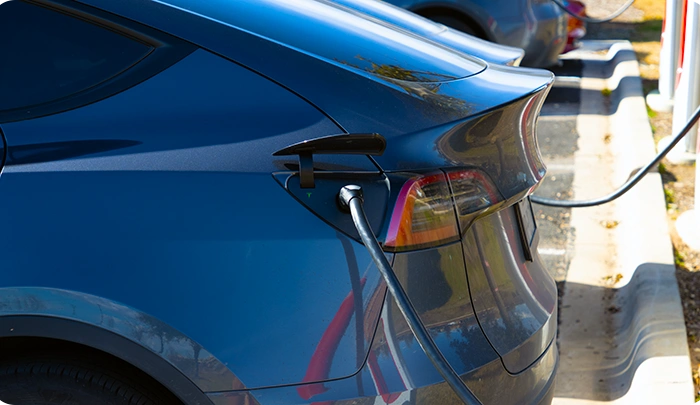


A question I am often asked, usually while charging, is, ‘How far can it go?’ Let’s talk about electric car range, how accurate it is, and how concerned you should be about it.
What Is EV Range?
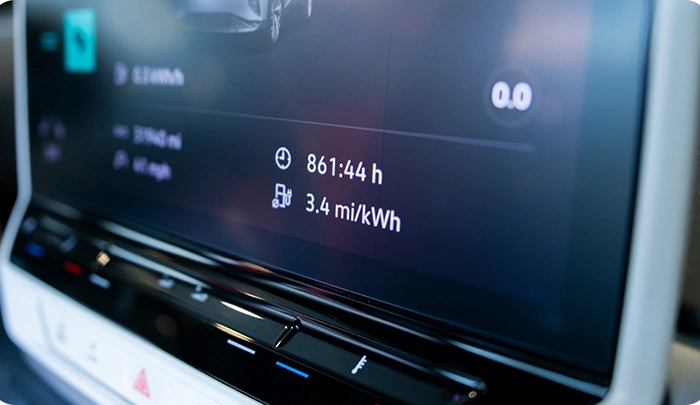
Electric vehicle range is the amount of distance you can travel in a particular car on a full battery. In the United States, this number is generated by the Environmental Protection Agency (EPA) using similar tests as internal combustion engine (ICE) vehicles to calculate their range and MPG. The amount of range an EV will have is primarily determined by battery pack size and the vehicle’s efficiency rating, with the latter often reported as miles per kilowatt-hour (or mi/kWh).

The Tesla Model 3 can travel more than 4 mi/kWh, making it one of the most efficient EVs you can buy.
How Is Range Calculated by the EPA?
Similar to ICE vehicles, the EPA conducts a variety of test cycles on EVs using a dynamometer, which allows the wheels to spin without the car actually moving. The distance traveled at simulated highway and city driving speeds before the battery pack is depleted forms the basis for determining an EV’s range and its miles per gallon equivalent, or “MPGe” rating. Automakers can then apply a ‘penalty’ to these figures to help align the range numbers with what customers will likely experience in real-world driving.

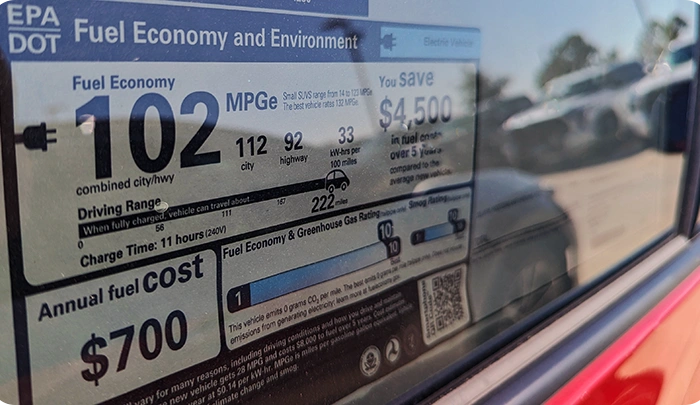
You’ll find range and MPGe information on an EV’s window (Monroney) sticker.
As seen on the window sticker example above, electric cars almost always have a better city MPGe rating compared to the highway result. A large part of this is due to regenerative braking, which allows electric cars to add energy back into the battery pack while slowing the vehicle down. In ICE vehicles, this energy is completely wasted when braking.
The EPA’s EV Range Estimates Can Be Flawed
In my opinion, the EPA testing procedure could be improved, because it fails to take into account factors like winter weather, which can reduce EV range by 30-40% or more, and real-world highway driving speeds that can also have a serious impact on EV efficiency and range.
Here are two videos I created to show the differences in highway range when driving my VW ID.4 in warm temperatures versus cold. The results speak for themselves.


The inconsistent use and amount of range reduction penalties used by automakers creates another challenge. For example, my Model Y was rated to have 330 miles of range, while my VW ID.4 advertises 250 miles. While no doubt my Tesla had more usable range in all situations, the real-world difference was much closer to 30-40 miles, not 80 or 90 miles. The gap is a bit larger in the winter thanks to Tesla’s heat pump, which enables more efficient cabin heating. Unfortunately, my ID.4 does not have one.
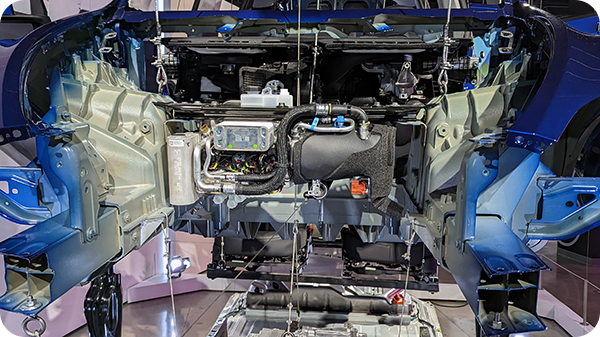
Heat pumps, like Tesla’s seen here in the center of this display with a black cover, make a big difference in EV winter driving efficiency.
The good news is that the EPA has instituted new rules that apply to 2024 model year testing and beyond that restricts automakers from using more favorable drive modes (such as an eco mode) to improve their results. Instead, all vehicles must now be tested using the default driving setting.
Other Range Factors
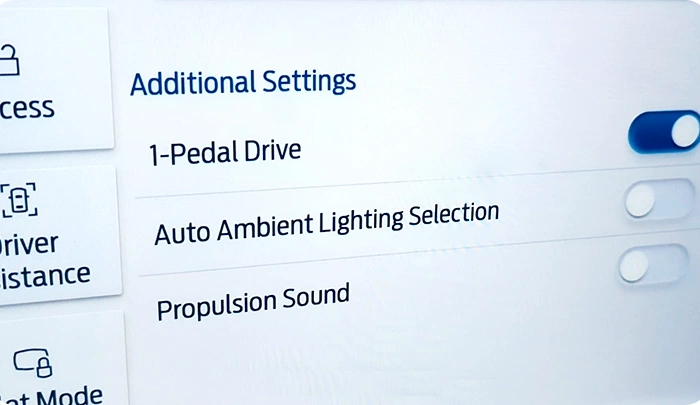
Beyond cold weather and highway driving, there are many reasons why you may experience discrepancies between advertised range and real-world results. Battery management software, driving in windy conditions, and features like Tesla’s Sentry Mode can all use up energy, even when the vehicle is not being driven. Some automakers provide an in-car menu to explain how power is being used.

Energy usage charts like these can help alleviate some of the anxiety-inducing mysteries of range estimates.
Keep in mind that significant range loss throughout the day, even when the car is parked, could be due to an abnormal amount of phantom drain. If you notice this happening, I would schedule a service visit.
How to Determine Your Range Needs
No, not everyone needs 300 or 400 miles of range. First, EVs are fundamentally different from ICE vehicles when it comes to how, where, and when you refuel them. No longer will you be stopping at a gas station once every week or two. Instead, the best and most common way to fill up an electric vehicle is to plug it in at home every night.
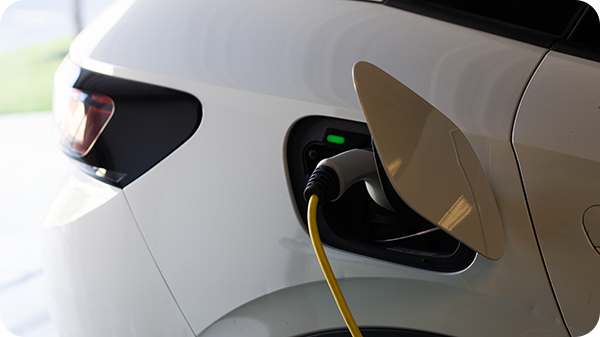
EVs are meant to be charged on a regular basis and home charging is the cheapest and most convenient way to do so.
If you can’t charge at home or at work, EV ownership might not be the best fit for you right now. It can be done, but you’ll be wasting a lot of time at charging stations, especially with short range EVs. With that in mind, here are some scenarios to break down range needs, assuming you can plug in at home each night.
Average Commutes
The average commute in the US is roughly 40 miles roundtrip. Using the slowest home charging method, which involves plugging your electric car’s included equipment into a 120V wall outlet, you can expect 2-4 miles of range added back to the battery per hour. Let’s say you come home at 6:00 PM and leave at 8:00 AM. These 14 hours of charging are enough to add all of the energy used the previous day and more.
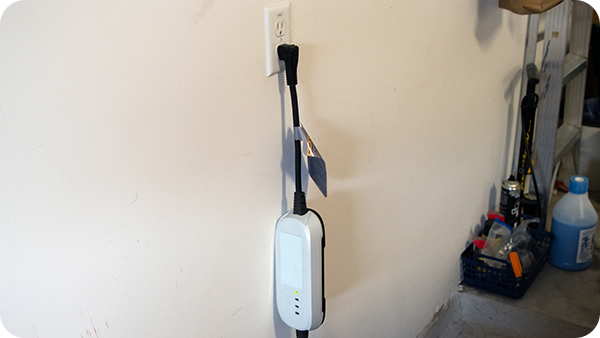
I primarily charge at home using my EV’s included equipment and a typical 120V wall outlet.
In this case, you wouldn’t need 300 miles of range, or even 200, as your daily commute is covered with plenty of range to spare. On top of this, you wouldn’t have to buy or install any equipment either.
High Mileage Driving and Road Trips
If your job requires a lot of daily traveling or you plan to take your electric car on several long road trips every year, then you’ll want more range and possibly need to upgrade to a faster charging setup at home.
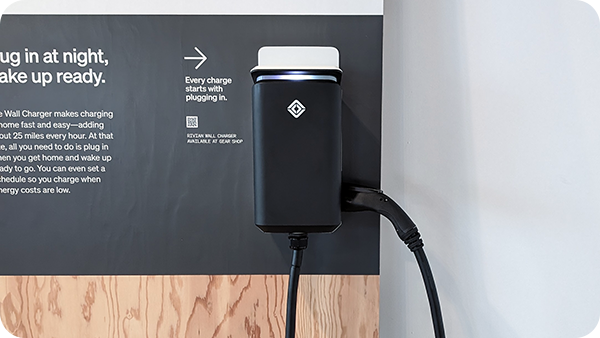
Home charging stations like this one from Rivian can refuel your EV quickly, but aren’t cheap.
Since public chargers aren’t as common as gas stations (yet), you may not be able to drive your EV all the way down to a low state of charge before having to stop and plug in. This can be the case if no other chargers are available along your route, for example. An extra 50 miles of range might be the difference between making it to the next available charger or plugging in when the battery is still 30% or 40% full.
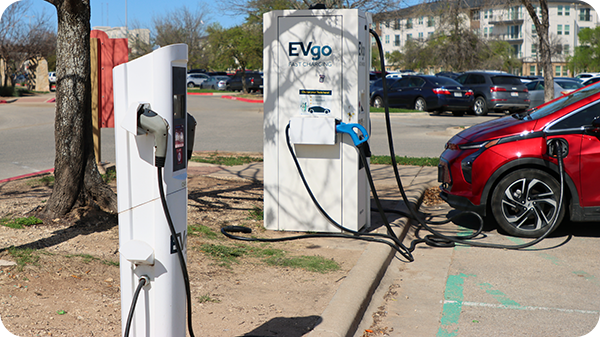
Public chargers like these are popping up everywhere, but it’s going to be a while before they are ubiquitous.
If you do a lot of daily driving or are wanting to road trip comfortably, I always recommend getting an electric car with at least 300 miles of range. Having to frequently recharge a lower range EV can add a lot of time and cost to your travels and generally isn’t worth it.
Cold Climates
As mentioned, electric cars can lose quite a bit of usable range and efficiency during the winter time, up to 40% or so in many cases. That means you should expect a 250-mile-rated EV to provide closer to 150 miles on a full charge.

Not only does cold weather impact usable range, but it also will slow down maximum charging speeds as well.
Though even 150 miles of range would still cover your commute and errands during the week, you shouldn’t fully charge the battery every day or you could cause a premature loss of usable capacity. Realistically, then, the usable daily range will be 120 miles. By the end of the week, you’ll find that you are going to be close to empty and road trips will take a considerable amount of extra time to complete.
You have two options. First, you could get an electric car with at least 300 miles of range, even better if it has a heat pump. Alternatively, you can buy faster home charging equipment, like one that can be plugged into a 240V outlet. Though these faster charging options can add anywhere from 5 to 10 times more range per hour, they can be expensive based on which option you go with.
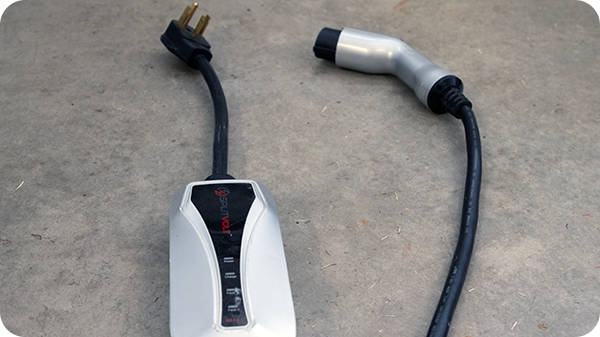
This charger, which can be plugged into my dryer’s 240V outlet, provides faster home charging when needed.
I previously used Splitvolt’s Level 2 portable charger when I needed additional range, which I plugged into my dryer outlet. While having an extension cord running out to your garage is not the most elegant to look at, it did the job and I didn’t have to pay $1,000 or more to have another outlet installed in my garage.
Towing
If you are towing equipment to job sites or hauling a camper on a trip, you’ll need to factor in a range reduction of around 30-50% depending on the size, weight, and aerodynamics of what you are bringing with you. A Rivian R1T with the Max Pack option which provides over 400 miles of rated range (or around 200 usable while towing at max load) might be a better fit than the Ford F-150 Lightning that only has 320 miles of range or 160 usable miles in the same conditions.
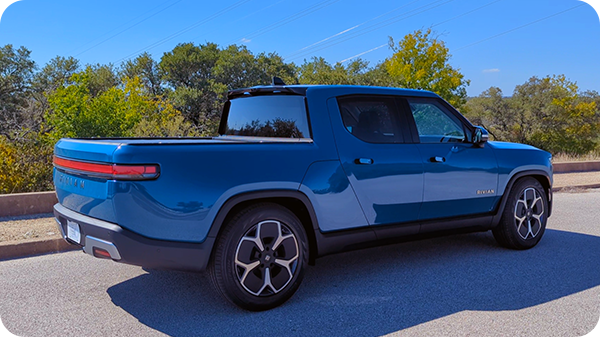
The Rivian R1T offers 11,000 pounds of towing capacity and gets around 200 miles of range doing so, if you opt for the Max Pack battery option.
Again, while 40 miles doesn’t sound like much of a difference, there are many situations where it can be.
Avoiding Range Anxiety
Range anxiety is a common concern, but it doesn’t need to be as long as you buy the right EV for your needs. My Volkswagen ID.4 has one of the lowest rated range estimates of any electric car you can buy at just 250 miles. Yet, it is a perfect daily commuter that’s very comfortable, quiet, and fun to drive, that I take on a handful of road trips each year without issue. Don’t stress about going with less range and just enjoy your new EV if you know you don’t need the extra mileage.
Sources