

The number of electric cars being sold both in the United States and around the world has grown exponentially over the last five years. You may be wondering if you should go ahead and jump into the electric vehicle revolution or wait a few more years.
Here’s my experience owning several EVs since 2020, including the pros and cons, to help you better understand if the vehicles of the future are right for you today.
The Pros of EV Ownership
I’m going to be upfront, even if you’re skeptical of climate change data or the frequent politicization of electric cars in the media one way or another, I believe that for many people, the pros of electric car ownership significantly outweigh the cons. Here’s why.
Less Maintenance
Tired of having to do maintenance on your gas-powered car, like oil and other fluid changes, not to mention repairs or replacements for parts like the transmission or ignition?
Sure, you’ll still need to have your tires rotated and top off the windshield washer fluid, but very little maintenance is required to keep them on the road.
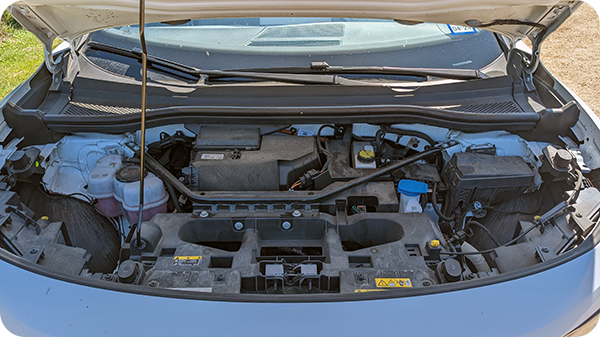
Look under the hood of an EV and you’ll see a lot less going on.
Thanks to technology like regenerative braking and one-pedal-driving, some of the more expensive car parts like brakes will need to be replaced far less often. Battery packs and electric motors often don’t require any service whatsoever.
To sum it up, with an EV, you’ll spend much less time and money on service center visits.
Reduced Fuel Costs
In the US, gas is often around $3.25-$3.50 per gallon on average, and as high as $5.00 in some states. Conversely, the national home electricity rate is around $0.19 per kilowatt-hour (kWh).
This means if you drive one of the many crossover EVs like the Tesla Model Y or Ford Mustang Mach-E, you’ll pay roughly $16.00-$19.00 for 300 miles of range.
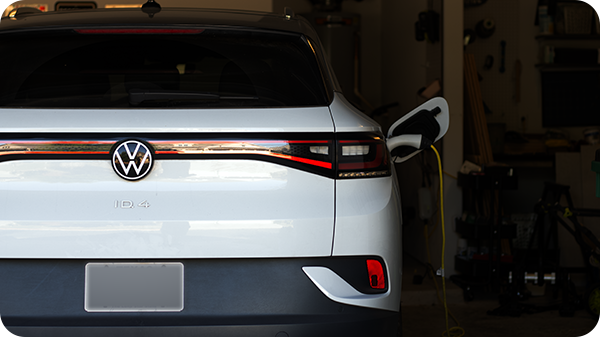
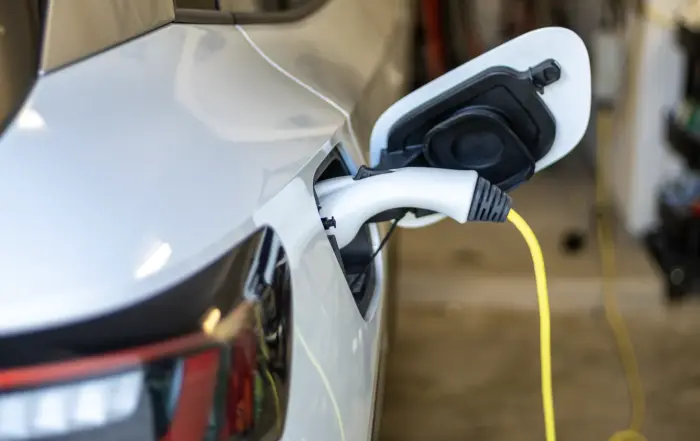
The ability to charge at home is a critical aspect of cost savings.
Of course, the critical part of this equation is being able to charge at home and to not be reliant on public charging stations, which I will discuss later.
While EVs often cost quite a bit more than their gas-guzzling counterparts, state and local incentives can still reduce the initial price if you and the vehicle qualify, though the federal EV tax credit ended in September 2025. Regardless, with an electric car, your budget will no longer be at the mercy of fluctuating gas prices.
Much More Fun to Drive
Electric cars are downright fun to drive. For this reason alone, I would always choose electric over gas.
This is what sold me when I drove my first-ever EV, a Tesla Model 3, back in 2018. I remember pushing down on the accelerator pedal and feeling that instant torque for the first time.
Not only that, the Model 3 was nearly silent, there weren’t jerky transmission shifts, and it handled like a dream. All thanks to innovative electric motors and a low center of gravity due to the battery pack.
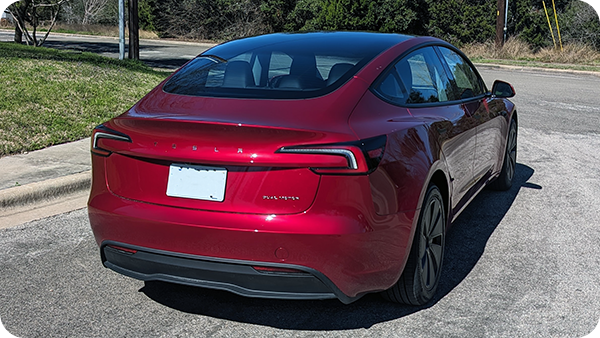
The Model 3 was the first EV I ever drove and it’s still one of my favorite cars to this day.
Here’s what you may not know though: these benefits can be experienced on any electric car, not just the most expensive or sporty models. You’ll get the same sensations (albeit, to a lesser extent) in a sub-$30k Nissan Leaf or Chevrolet Bolt.
If you happen to live somewhere near the mountains, like the Pacific Northwest or Colorado, driving an EV up a steep grade is completely effortless and truly a wonderful experience.
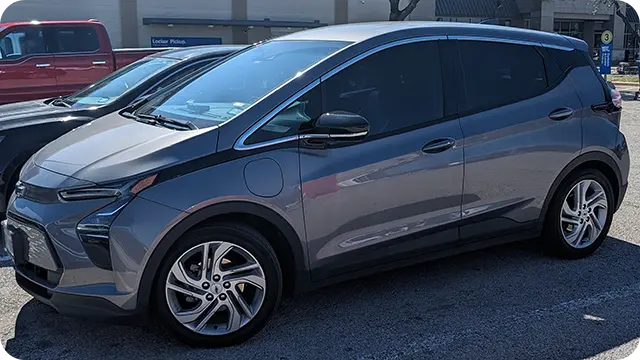
Don’t let looks fool you, even the Chevy Bolt is enjoyable to take around town.
To top all of this off, electric vehicles have strong regenerative braking, which slows them down using a magnetic field. No brakes required.
This feature also allows for one-pedal driving on most EVs, which, as it sounds, means that you can drive your car using only the accelerator pedal. The car will slow down and come to a complete stop without rolling forward.
It’s how cars should have always been.
Safety
Because they lack engines, electric cars typically have much larger crumple zones in the front, which help transfer kinetic energy away from the cabin and reduce the risk of harm to passengers.
Battery packs also help create a strong and rigid structure, which lowers the possibility of intrusions. Additionally, with all of that weight at the bottom of the vehicle, EVs are less likely to roll over.
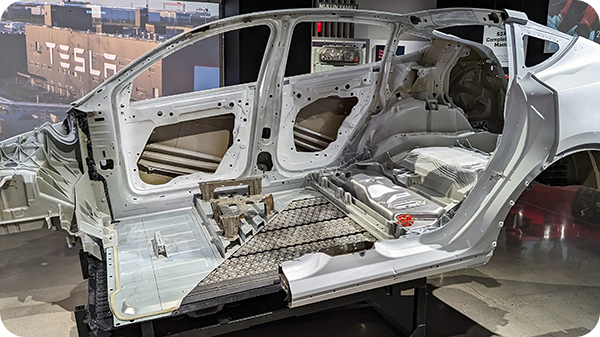
A structural display of a Tesla Model Y at the Petersen Museum in Los Angeles.
If the safety of you and your family is one of your top priorities when shopping for a new car, then most EVs are going to have ICE vehicles beat.
Software & Infotainment
Software in (most) electric cars is superior to what you’ve likely experienced in other vehicles.
Tesla, for example, is famous for selling the most advanced cars on the market. They were the pioneer in bringing iPad-like fluid and responsive UX designs to cars.
You can watch Netflix while charging, turn on “Dog Mode” to keep the cabin temperature comfortable for your furry friend, and even monitor your car’s surroundings with a live camera view using the app.

Tesla provides a market-altering software experience that will change how you shop for cars in the future.
Of course, others like Ford, Rivian, and GM have followed with their own software offerings, so you aren’t limited to buying a Tesla to get a good user experience.
Electric cars also improve over time with over-the-air (or “OTA”) software updates. These updates can do everything from fix minor bugs, to adding brand new features that didn’t exist when you bought the car, all for free.
EVs really do feel like the future. Once you experience their software capabilities, it’ll be very difficult to go back to the dinosaur age that most gas-powered cars live in.
The Cons of EV Ownership
While electric vehicles offer a much better driving experience than gas-powered vehicles, have futuristic software, and are very safe, there are some growing pains that you’ll likely encounter.
Charging Infrastructure
Keep in mind that if you are charging at home, your need for public fast charging stations will be only for road trips. With that said, it’s harder to find an EV charging station on the road than it is to find a gas station in 2026. Often a lot harder.
If you live on the East or West coast this is less of an issue, but for those who reside in the Midwest or South, you will have to plan ahead to make sure your trip includes a fast charger on the way.
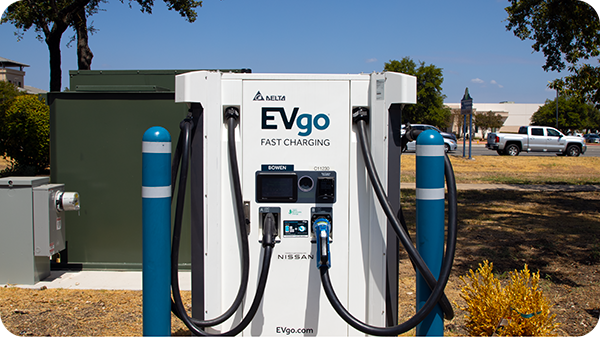
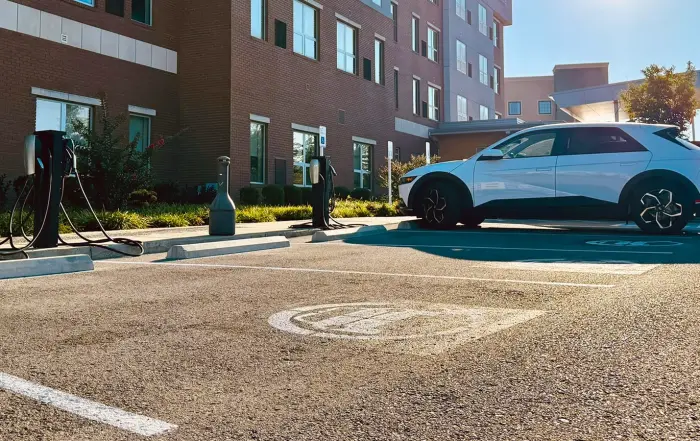
Companies like EVgo have made massive investments into charging infrastructure over the last few years.
Then, there’s also the issue of uptime and reliability. A lot of new EV owners find that, even if there is a fast charger where they are headed, they might have to wait because stalls are down and there’s a line, or the charging speed isn’t as fast as it should be, or in rare cases, the station isn’t working at all.
Luckily, this isn’t an issue with Tesla’s Supercharger network, which is extremely reliable and constantly growing.
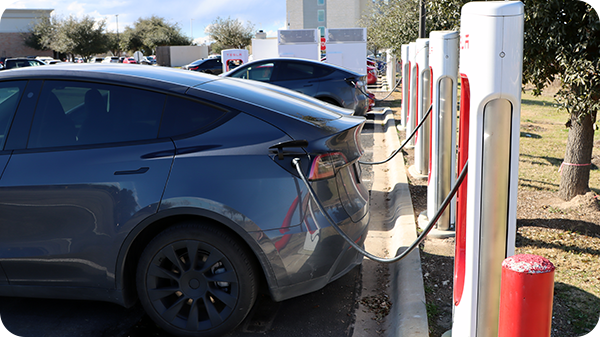
Tesla’s public fast charging stations are considered the best in the industry.
Thanks to partnerships between Tesla and other carmakers, since late 2025, nearly all EVs in the US can use most of Tesla’s Supercharger network with an adapter, and most automakers now ship native NACS ports.

Though there aren’t many, some Supercharger locations have Magic Dock adapters, which any CCS-based EV can access.
On top of this, other stations continue to be installed by both current networks and even new ones, thanks to government funding. Over the next few years, we should see exponential growth of the number of charging stations being created.
Home Charging is (Almost) a Necessity
If you can’t charge your electric car at home or at work, then owning one becomes a bit more of a hassle. You’ll instead be reliant on public fast charging.
There are a few problems with this. First, it can get expensive and while some networks offer memberships that can reduce the overall cost, you might end up paying the same as you would for gas.
The next issue is that you’ll probably end up spending 45 minutes or so each week at a charger. That could get old after a while.
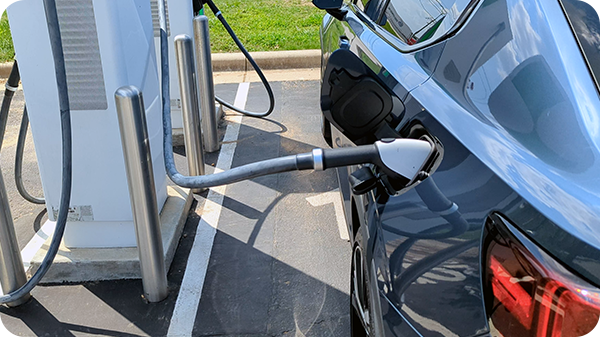
Public fast charging is often expensive and takes a quite a bit longer than filling up a gas tank.
Finally, the jury is still out on whether or not consistently fast charging your EV impacts the health of your battery.
My personal recommendation is to avoid purchasing an electric car if you can’t charge it at home or your place of employment. The amount of time and money you’ll spend charging each week probably isn’t worth it.
Higher Average MSRP
Right now, there’s no way around the fact that the majority of EVs are more expensive to buy than comparable gas-powered vehicles are.
If you’re looking for a commuter car and don’t road trip often, there are offerings like the Chevrolet Bolt and Nissan Leaf that can be purchased for less than $35,000, before any incentives.
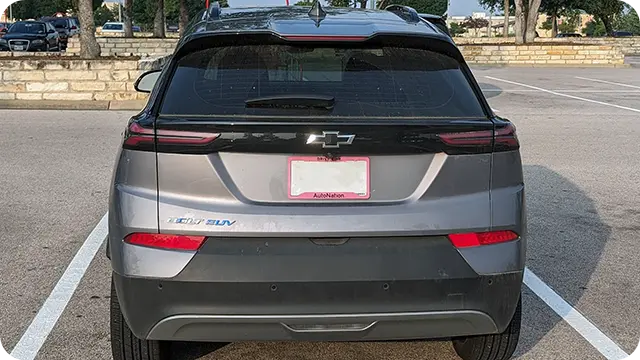
The Chevy Bolt has always been one of the least expensive EVs you can buy.
Keep in mind that state and local incentives, where available, can still reduce the cost to buy an electric car.
Winter & Towing Range
While I believe most car owners way-overestimate how much range they will need, there are two situations in which it is a pretty fair criticism.
The first one of these is winter range. I have another article discussing how winter weather impacts EVs, but the gist of it is, you can expect to temporarily lose up to 30%-40% of your EPA-estimated range when the weather drops below 40°F or so.
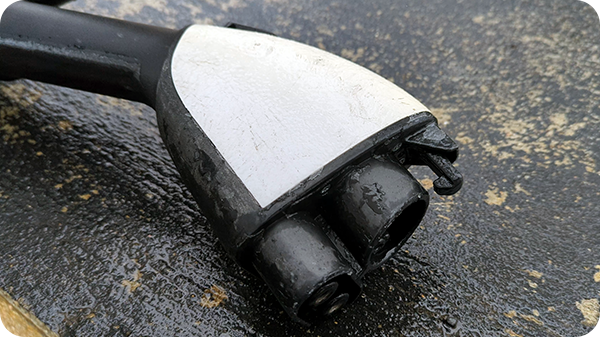
Freezing temperatures can impact both your EV’s range and charging speeds.
Fast charging rates will also slow significantly until your battery is warm. There are some things you can do to mitigate this, like precondition your battery, but you’ll still feel the impact if you live somewhere that it gets cold.
In most cases, this isn’t an issue but may require you to get Level 2 charging equipment if you can’t leave your car plugged in long enough each night or weekend for it to regain the range you used during the week from your car’s included charger.
More and more car makers are adding heat pumps to their HVAC systems, which helps reduce the amount of energy lost when heating your cabin.
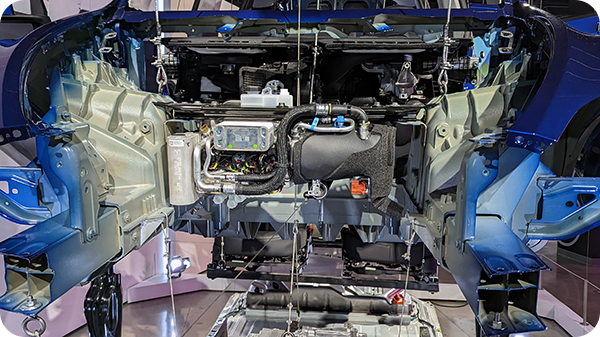
All new Tesla models have heat pumps, which can be seen in this display (center, wrapped in a black cover).
Towing can also be a challenge for electric vehicles. With their instant torque and heavy weight, it’s actually much easier and more comfortable to tow large payloads in an EV. The problem comes in when you need to do frequent long-hauls.
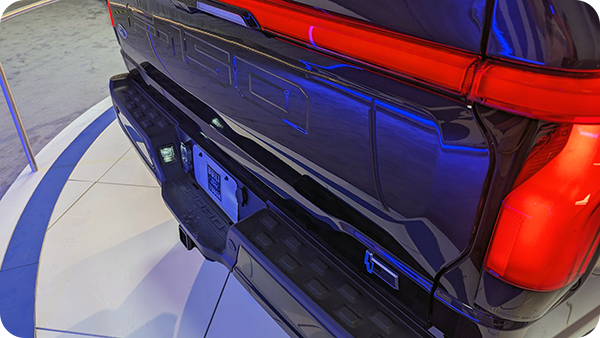
EVs like the F-150 Lightning have a high payload capacity, but it greatly diminishes range.
You should expect towing a maximum payload to reduce your range by about 50%. This means that if you own a 400 mile range electric truck like the Rivian R1T with the Max Pack battery option or Chevrolet Silverado, you can expect closer to 180-200 miles with towing.
Now compound long-haul towing in the winter and you’ll be lucky to hit 125 miles of range on a full battery.
Limited Choices
The number of electric vehicles that have entered the market in the United States over the last 3 or 4 years is quite a lot. However, it pales in comparison to the options you have for internal combustion engine cars.
There may not be the type of vehicle that you like, which has the options that you need, at the price you are willing to pay. Of course, this is changing quickly and more options are coming into the market each year.
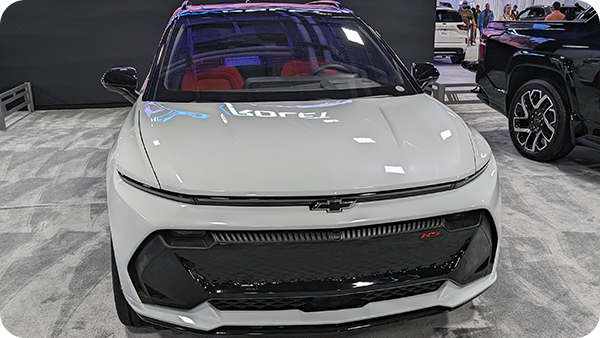
New EVs like the 2024 Chevrolet Equinox EV are entering the market constantly.
Should You Buy an EV Now or Wait?
No one can tell you when it’s the right time for you to buy an electric car. But many EV issues including range and charging infrastructure are misunderstood or exaggerated.
The electric car ownership experience has changed quite a bit, even since I got my first EV at the beginning of 2020. Today’s electric cars are more capable and there’s a lot more public charging.
More than anything I recommend taking one or two out for a test drive next time you are buying a car. I think you’ll find it hard to say no.
Sources