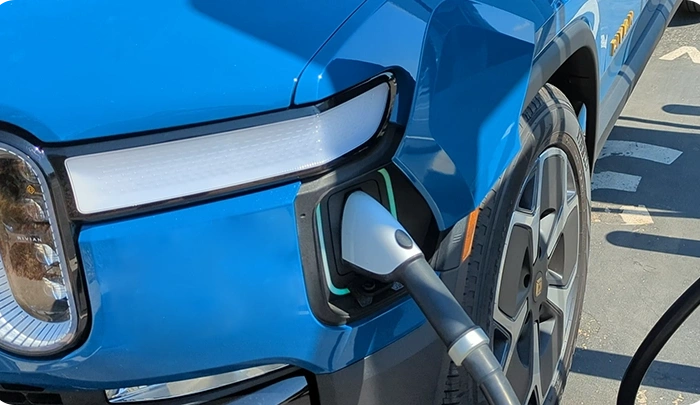


Preconditioning your electric car is going to come in handy during both the winter and summer months. But what exactly is it, and why do you need it?
What Is EV Preconditioning?
When it comes to EVs, preconditioning can mean adjusting your car’s cabin temperature for passenger comfort, such as turning on the AC from your app before getting in.
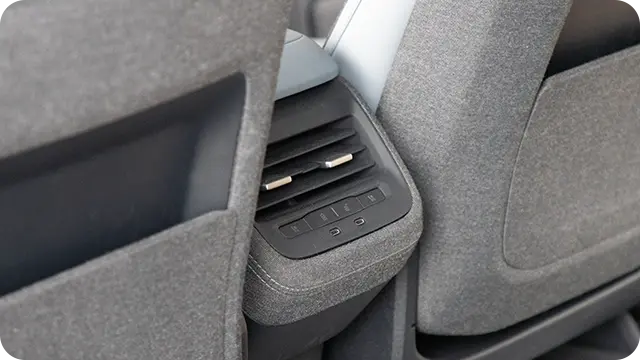
One of the best features of most EVs is allowing you to turn on the climate controls remotely.
It also refers to optimizing your EV’s battery pack temperature for driving and charging efficiency. This is primarily useful in cold weather. Extreme temperatures, both high and low, impact electric car batteries much more significantly than they do gas-powered engines.
How Do Extreme Temperatures Impact EVs?
Lithium-ion batteries really don’t like to be too cold or too hot. Winter weather can cause your available range and driving efficiency to significantly drop. On top of this, DC fast charging speeds from even the fastest station chargers will slow to a drip.
Here’s an example from my Volkswagen ID.4’s winter range test, before and after the battery had warmed up.

My ID.4 charging rate with a cold battery pack (no preconditioning).

My ID.4 charging at the same station after preconditioning the pack.
Cold weather won’t harm your EV though, so don’t worry. The lost maximum range and efficiency will start to come back once the battery pack warms up. However, you’ll still notice a good bit of efficiency loss until the weather outside improves. The same can’t be said for extremely hot weather.
Excessive heat can permanently damage battery cells. Thankfully, electric cars have sophisticated battery management systems (or “BMS”) that always keep your battery pack at safe operating temperatures. Maximum charging speeds may be minimally impacted on the hottest days, though.
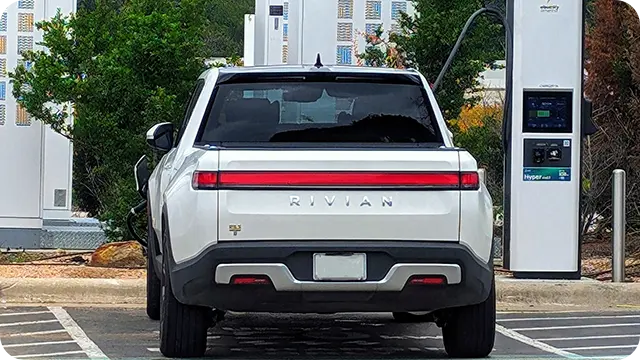
Thanks to BMS software, charging even on the hottest summer days isn’t a problem for EVs.
When temperatures exceed 90°F (32.2°C), you might also experience some phantom drain due to the BMS doing its job to keep your battery pack cool.
Why Precondition Your Tesla or Other EV?
You can drive EVs without preconditioning them, regardless of the weather. The cabin might not be pleasant, and your battery pack might not be operating as efficiently as it could be. But unless you are in a hurry, there’s no reason not to utilize preconditioning for the best performance and comfort.
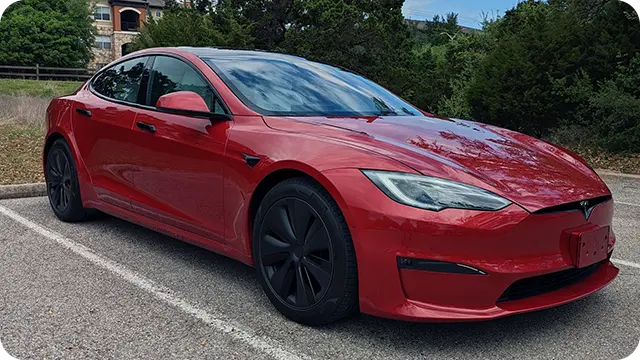
Tesla’s all glass roofs can let in a lot of heat in the summer. Preconditioning makes sure you don’t get into a hot car with seats that will burn your legs.
Tesla’s preconditioning feature even turns on automatically when you are navigating to a Supercharger station. Everyone wants a faster charging session, right?
How to Precondition Your Tesla or Other EV
There are a few ways to precondition your EV, depending on what you are trying to do. You can often increase or decrease the cabin’s temperature remotely, using your vehicle’s mobile app. Or you can get into the car and turn the HVAC system on directly.

The simple ID.4 climate control feature in the MyVW mobile app.
The HVAC system preconditions an EV’s battery pack during the winter months, too. This is because EVs rely, at least partially, on a resistive heating system that uses the battery pack to generate heat for the cabin. As the battery generates this heat, it also warms up itself.

Some electric car HVAC systems are designed to work with energy-saving heat pumps, like Tesla’s.
Turning on the A/C to pre-cool your cabin in the summer months doesn’t cool your vehicle’s battery pack, though. This, again, is managed by complex BMS software that’s constantly monitoring and regulating temperatures.
If your vehicle offers it, you can use a fast charging preconditioning feature to improve speeds. This might be an automatic process if you are navigating to a charger or might be a setting you can activate within the in-vehicle software.
How Long Should You Precondition Your EV?
Changing the cabin’s temperature usually only takes 5-10 minutes of the climate controls running. Warming the battery during winter months will take a bit longer, depending on whether your EV is parked in a garage, has been plugged in all night, and to what type of charger.

If your EV is frozen over, it’s probably going to take a bit longer to warm the battery.
If your car has been plugged into a Level 2 charger (like a Tesla home charger) and parked in the garage, you may not need to precondition it at all. An unplugged EV parked outside all night might take 30-45 minutes of the heater running full blast to get the battery to an ideal temperature.
Does Preconditioning Use a Lot of Battery?
First, it’s important to know that using the air conditioner in an electric car is a much more efficient process and requires far less energy than running the heater. That said, even the heater will only use up about 1% of your battery pack’s stored energy if you are simply trying to warm the cabin.
Heating the battery is a different story. Depending on how long you let the heater run on max, you could see up to a 3-4% charge loss after 45 minutes, based on your pack’s capacity.
EV Preconditioning Tips
Here are some additional preconditioning tips to know about:
- Use the climate controls to precondition your car while it is still plugged in to maintain your charge level.
- Tesla and some others will let you set a recurring preconditioning schedule, which can save you from forgetting.
- Tesla’s software automatically activates preconditioning to improve fast charging speeds when you are navigating to a Supercharger.
- That’s why I always recommend using Tesla’s navigation on road trips, even if you know where you are going.
- Turn regenerative braking on to the highest setting, as this will also heat the battery.
- However, turn regen braking off or set it to low in icy conditions, as it can cause sliding.
- If your EV has a blended braking feature, which uses both the mechanical brakes and regen, turn it off and use regen only.
Sources