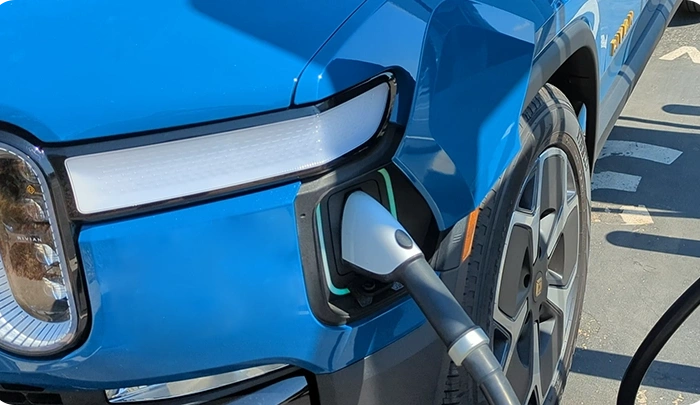


One benefit of electric cars is that they offer a lower cost of ownership compared to other vehicles. EVs have nearly maintenance-free drivetrains, far fewer moving parts, and electricity is less expensive than gas. But, there are some costs associated with owning an electric vehicle you should know about.
Home Charging Equipment
Most electric cars come with equipment (called EVSE) for charging at home. This hardware only requires access to a standard 120V wall outlet and adds 2-4 miles of range per hour while your EV is plugged in. This is referred to as Level 1 charging, which might be a bit too slow for some.
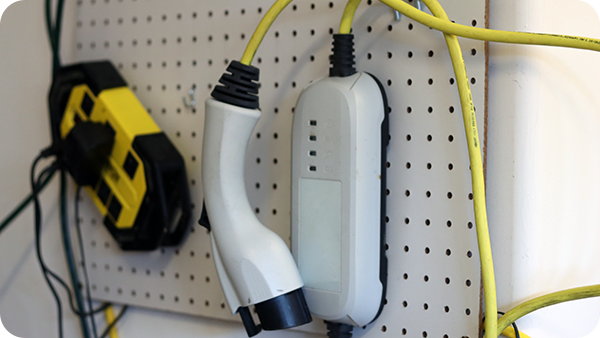
Instead, you may choose to upgrade your home charging setup to what is considered Level 2. Doing so can improve charging speeds to 15-40 miles of range per hour. The costs for upgrading to this charging tier can be anywhere from free to thousands of dollars, depending on the route that you take.

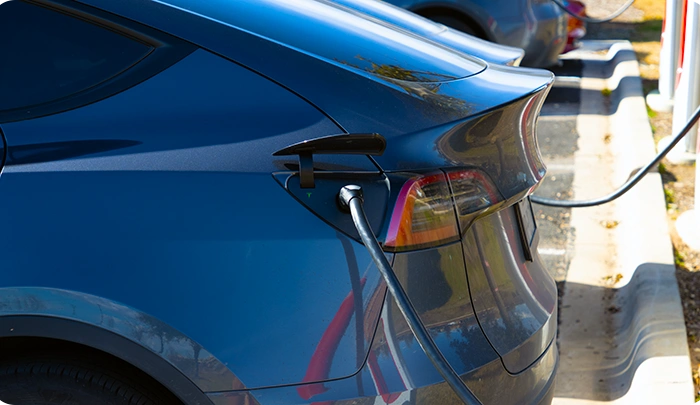
Home charging stations, such as Tesla’s, can come with a high upfront cost.
Level 2 charging requires access to a 240V outlet and purchasing compatible equipment if your EV doesn’t come with an adapter. You can also have a home charging station hardwired directly into your home’s electrical system. I personally own Lectron’s Level 1/2 combo portable charging cable which uses a NEMA 14-50 outlet.

My home charging cable comes with adapters for both Level 1 and Level 2 charging.
If you don’t drive a lot each day, save your money. But if you are looking into upgrading, I personally recommend going with a portable charger so that you can take the equipment with you if needed.
Replacing Tires
Electric cars are heavy. You can expect a similarly sized EV to weigh 30-40% more than its internal combustion engine (ICE) vehicle counterparts. EVs also have electric motors that produce large amounts of instant torque. That extra weight and power can shorten the lifespan of your tires by about a year or two compared to your ICE vehicle.
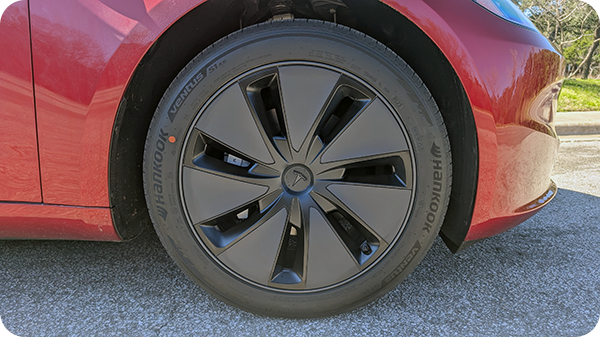
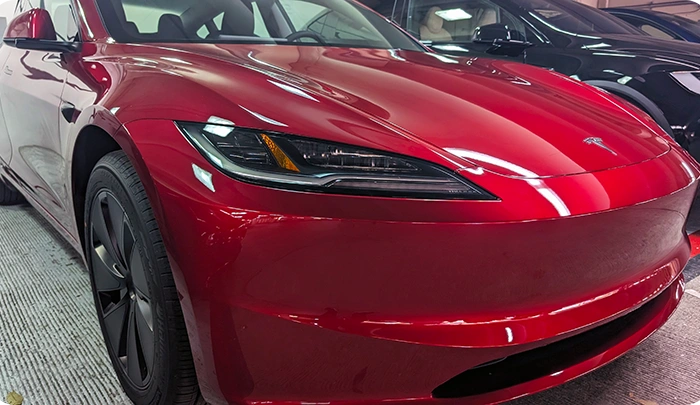
Lighter EVs, like the 2024 Tesla Model 3, won’t go through tires as quickly.
Of course, there’s a difference between the 393 horsepower that a Model 3 puts out vs the Model S Plaid’s 1,000 hp. Some car makers also opt to include very wide and robust tires, while others, like the base trims of the Ford Mustang Mach-E, come with much narrower base wheels that won’t last quite as long.
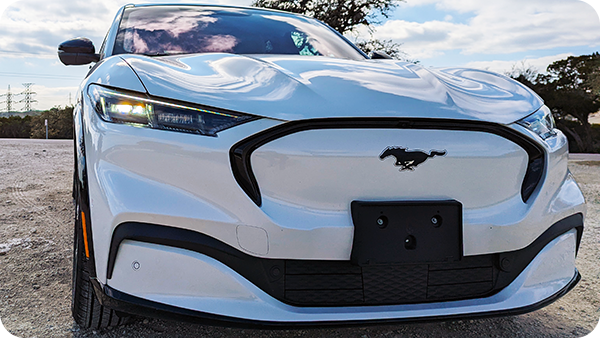
For better range, the Mustang Mach-E comes with narrower tires, but the trade-off is a shorter tread life.
For example, my Volkswagen ID.4’s stock tires, the Bridgestone Alenza Sports, only lasted 20k-25k miles or a year and a half.
You can watch my video about this below:

Since my ID.4 is rear-wheel drive, the back tires wore down much more quickly. I decided to switch to the Michelin CrossClimate2 tires in the back, which have more tread compared to the OEMs. The CrossClimate2s are still going strong 55,000 miles later.
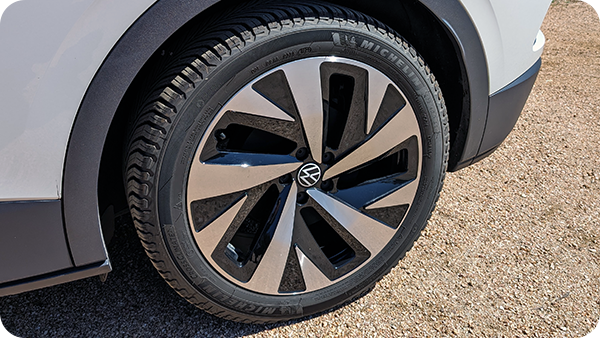
The Michelin CrossClimate2 tires I put on my ID.4 have lasted longer than those it came with.
You can help extend your tread life by driving in a conserve or “chill” acceleration mode (as Tesla calls it). This reduces the electric motor power output and keeps the tires from getting too much unnecessary torque at once. Of course, be sure to get your tires rotated on a regular basis to ensure even wear.
Insurance Costs
Insurance isn’t always more expensive for an EV, but it can be. The factors at play here are your own driving record, the price of your EV, and repairability. If you buy a relatively low-cost EV like the Chevrolet Bolt, insurance may be similar to your ICE vehicle. However, a $95,000 Rivian R1T is going to be a bit more to cover. Generally speaking, you can expect the average EV to cost slightly more to insure than ICE vehicles do.
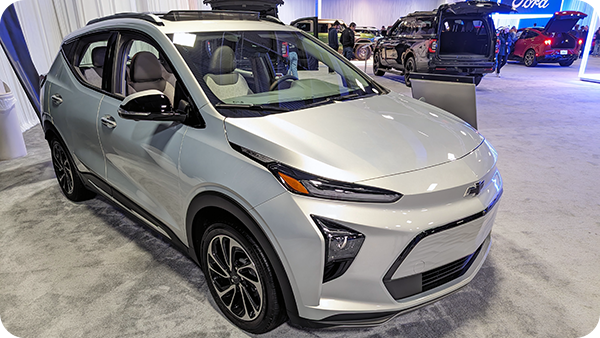
The Chevy Bolt EUV likely isn’t going to cost much more to insure than a typical ICE vehicle.
State Registration Fees
While vehicle registration fees are nothing new, some states, such as California and Texas, are requiring additional fees of up to $400. These fees are being used to help offset revenue lost from gas taxes.
Example Fees
As of 2026, here are some example state EV registration fees (on top of all the other regular costs):
- California: $121.00 annual fee (waived the first year), which can increase based on inflation
- Colorado: $76.05 annual fee
- New Jersey: $250.00 annual fee, increasing by $10.00 per year until 2029
- Texas: initial $400.00 fee (covers 2 years) and a $200 fee annually thereafter
- Washington: $150.00 annual registration fee and a $75.00 transportation electrification fee
Unfortunately, these types of fees are going to be the new normal. The counter-point is that some of these states also offer EV tax credits. For example, Colorado residents may qualify for up to $3,250 off an EV that costs $35,000 or less.
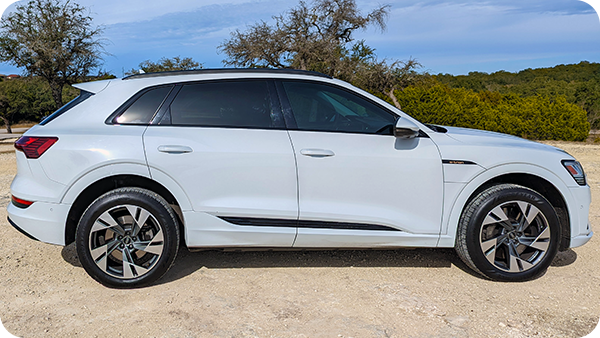
As EVs become more popular, taxes and fees are sure to follow.
Public Charging Costs
At some point, whether you’re on a road trip or need a quick battery fill up, you’ll need to use a DC fast charger. These stations can recharge your battery from 10-80% state of charge in around 30 minutes, depending on your model.
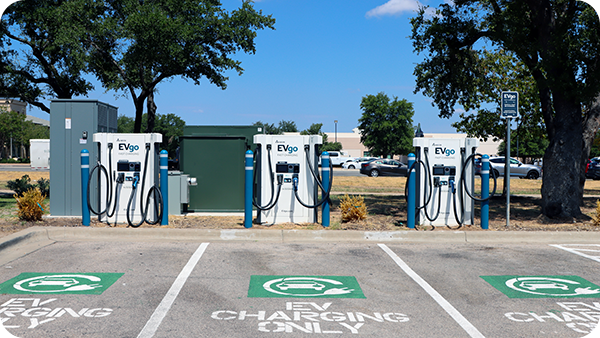
Public fast chargers, like these from EVgo, are the primary way to fuel an EV on the road.
Using public charging stations may double or triple your charging cost, though. With an average price of $0.19 per kWh for home charging in the United States, you’ll spend around $19.00 per full charge if you have a 100 kWh battery. With a public fast charger, you could be paying anywhere from $0.25 to $0.60 or more per kilowatt-hour (kWh) of energy. All of a sudden your fueling cost just increased to $25.00-$60.00. Quite a difference.
Some EVs come with two or three years of free DC fast charging, like my ID.4. Even though I charge at home daily, on road trips I have saved over $1,000 so far.
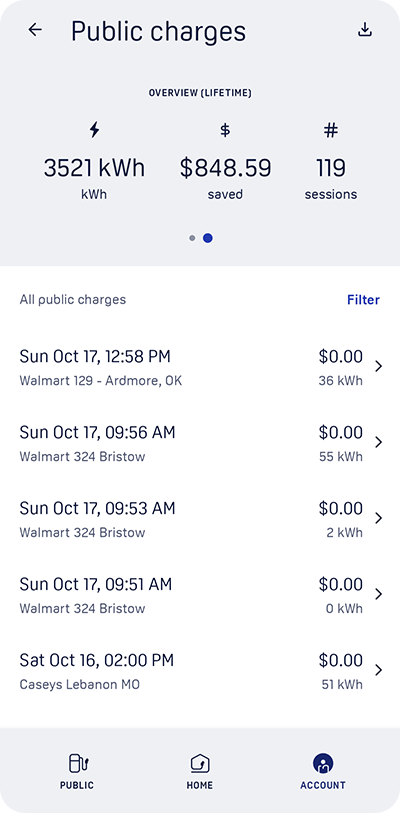
My lifetime DC fast charging savings at Electrify America.
If you can’t charge at home because you live in an apartment or otherwise, it’s important to consider not only the cost of using public chargers, but the amount of time you’ll spend at them.
EVs Can Be Far Cheaper to Own
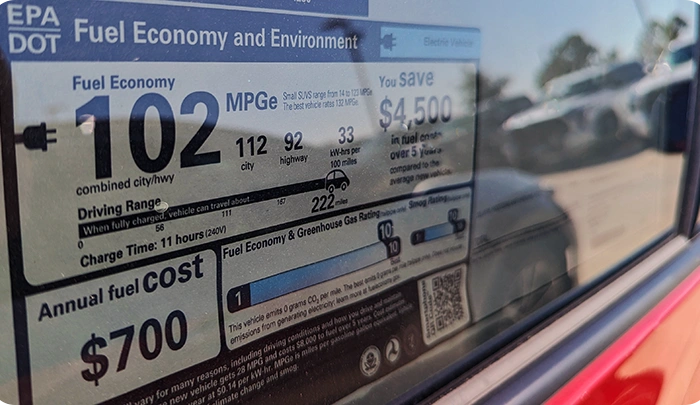
Despite the costs mentioned above, electric cars can be cheap to own. Residential electricity costs, combined with an EV’s efficiency (measured in MPGe), create a significant opportunity for savings vs gas. Oil changes, battery replacements, and fluid flushes can add up and you don’t need to worry about those with an electric vehicle.
Sources
Related Articles