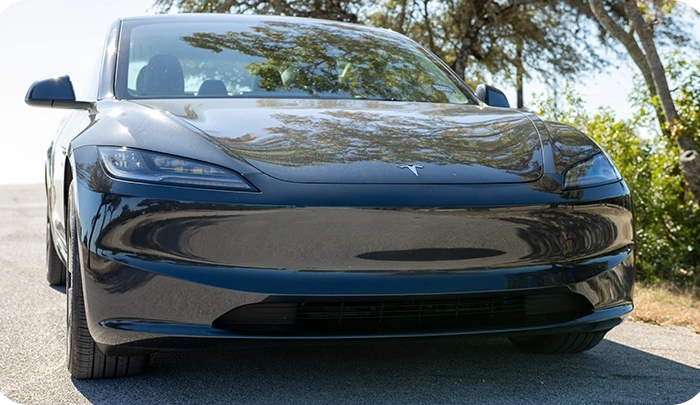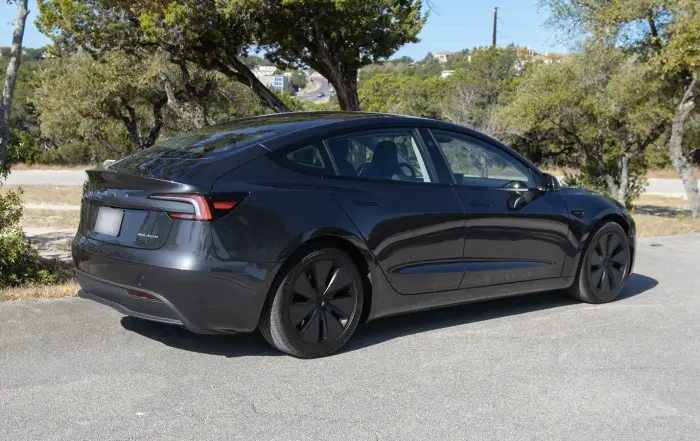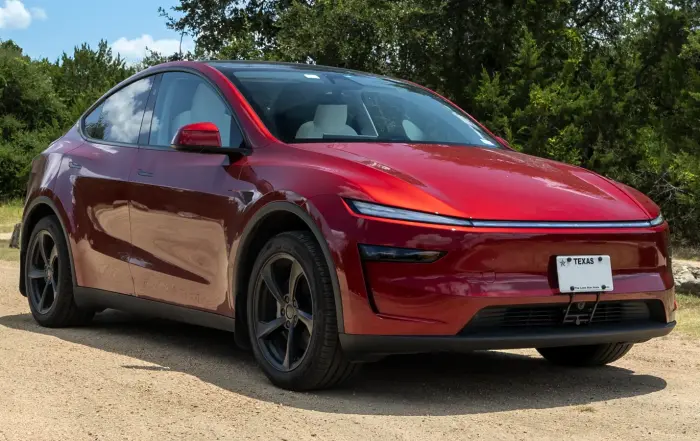

The natural response is to ask, “How are Teslas different from any other car?” The answer is, they are quite different, actually. As a three-time Tesla owner, here’s what I think you should know.
Note: This article does not constitute financial advice.
Tesla’s Constant Improvements
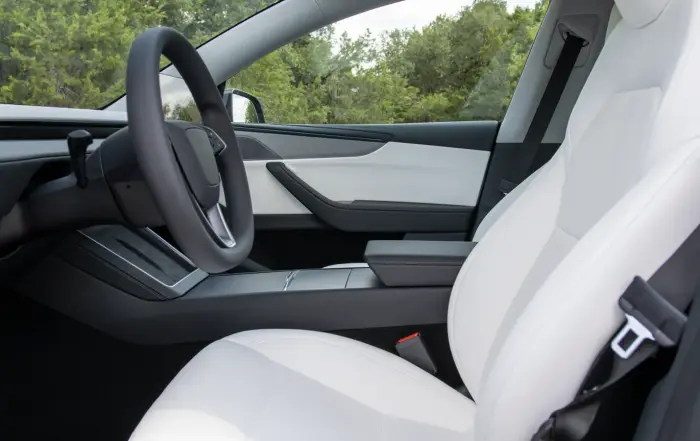
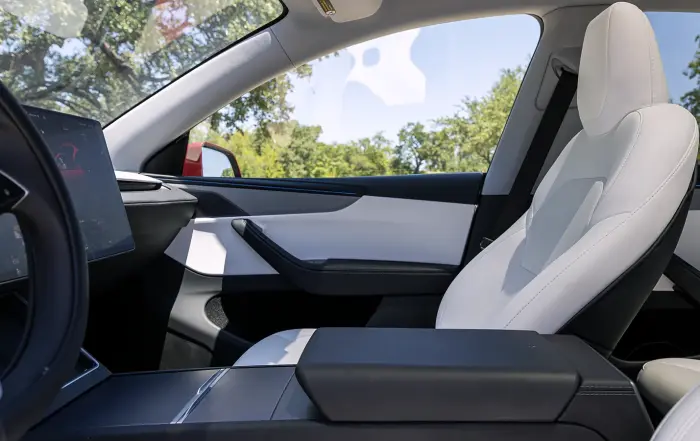
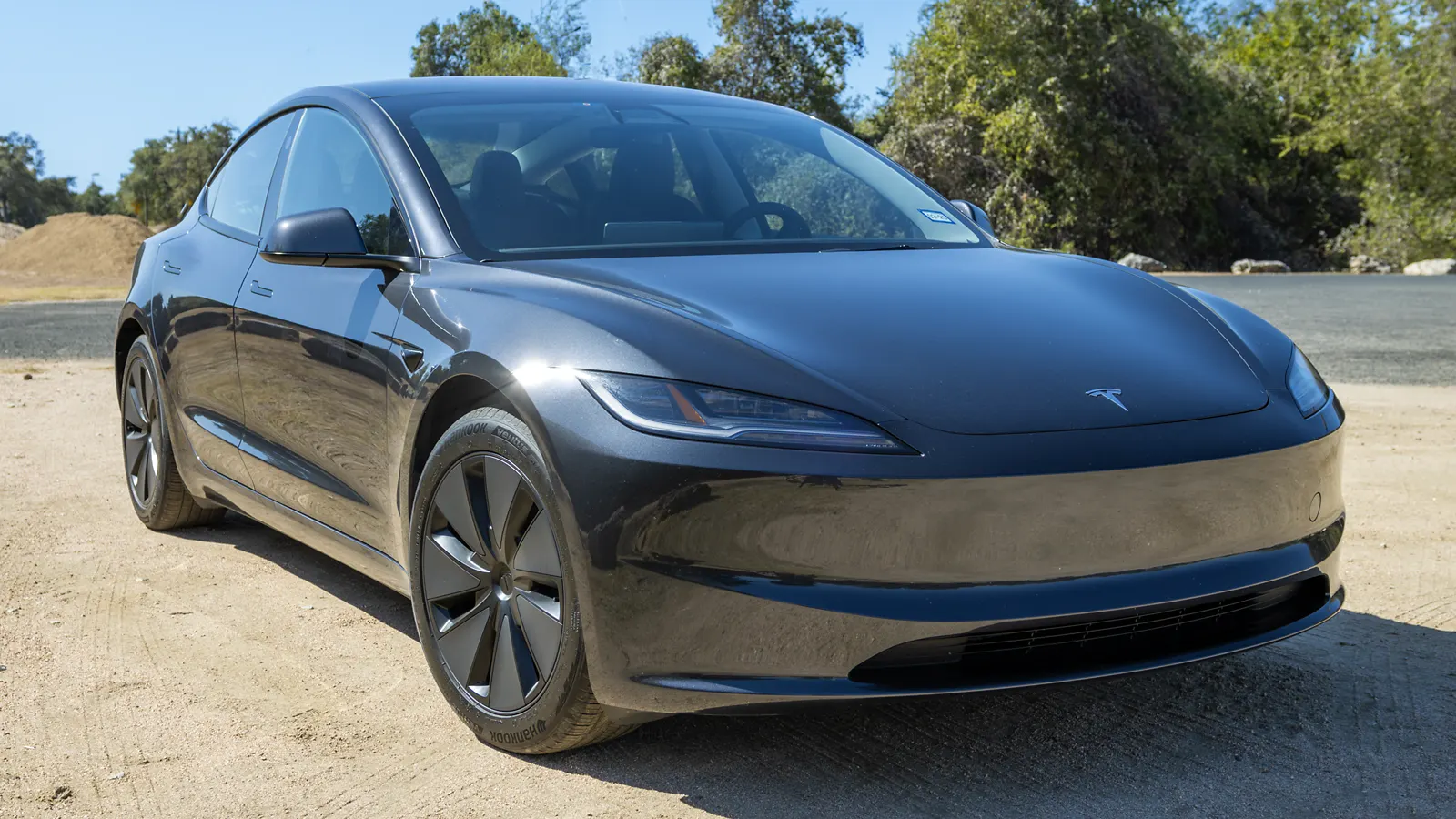
Unlike most carmakers, Tesla improves vehicles on the production line anytime, not just for new model years. A 2026 Model Y bought today could be outdated in weeks.
Luckily, most of these changes are usually fairly minor. Maybe Tesla will introduce a slightly altered headlight design or add some lining to the door pockets that wasn’t there before. They might add significant new features, like the mid-year Model 3/Y console redesign.
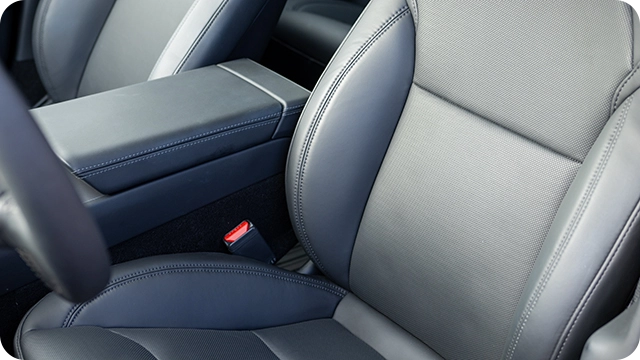
Tesla’s constant iteration can mean cosmetic improvements or a brand new feature you wish you had.
FSD Hardware
But even if cosmetic changes wouldn’t bother you, there’s the larger elephant in the room: Full Self-Driving (known as “FSD”) hardware. These components, which include the cameras and processor, are far more powerful with each generation.
For example, the current iteration, known as Hardware 4, released in 2023, is 3 to 8 times better than the outgoing Hardware 3, according to CEO Elon Musk. That means many people who purchased a 2023 model year Tesla just prior to Hardware 4 got stuck with an outdated 5-year-old system that is less capable and cannot be upgraded.

Tesla’s Hardware 4 included upgraded cameras, as well as a new processor.
If you purchased your Tesla and want to avoid depreciation, you’ll be stuck with 10-year-old hardware by the time it would make sense to sell it in 4-5 years. Leasing for 2-3 years lets you quickly access these upgrades and the latest tech.
How Bad Is Tesla Depreciation?
Depreciation, capitalized cost, and residual value are key in buying versus leasing. Tesla models are often on the higher end of the depreciation curve, with the Model S and X faring the worst. But even a 2-year-old Model Y is expected to lose 38% of its value.
Luxury car prices largely drive this. There may be other factors that have played a role in this too, namely the U.S. federal tax credit (which went away at the end of September 2025) and the desire for the latest technology.
Who Should Buy a Tesla
Buying a Tesla is a great option for many people (as it was for me). Depending on your loan terms, buying often comes with a higher monthly payment, but is it worth it? Here are some reasons to purchase instead of lease:
- If you don’t care about FSD or the latest tech, you’ll get much more value long-term, as depreciation greatly slows each year.
- Drive over 12,000 miles/year? Lease costs grow; ownership avoids this.
- Tesla’s minimal required maintenance also drastically cuts your cost per mile driven.
- Wear and tear repairs can be costly. Ask yourself, are you going to have animals or kids in the car? If so, it’s worth considering how well it’ll look after a few years.
- FYI, remember that rips in the vinyl seats constitute excessive wear and tear.
- If you live in a state like Texas where full sales tax is charged on the value of the vehicle and not just on the value of the lease portion, this could amount to a few grand that goes completely to waste.
Who Should Lease a Tesla
Buying a Tesla is certainly not for everyone. Leasing is often better if low monthly payments are your priority. But, here are some things you should consider:
- Do you care about having the latest hardware, software, and technology? Or will you be happy long-term with the vehicle as is when you pick it up?
- Buying may cause FOMO; a 2- to 3-year lease may fit your needs.
- How much do you drive each year? Leases are often the least expensive for those keeping annual mileage between 10,000-12,000.
- Exceeding lease mileage costs $0.25/mile or more.
- If your state taxes only the lease value, upfront costs are lower.
- New to EVs? A short-term lease offers a great way to test one.
Tesla Lease Buyout Option
Tesla now allows buying your leased vehicle at term end (excluding Iowa and Louisiana). Expect a $350 purchase fee, plus any other stated lease costs.
Can You End a Tesla Lease Early?
If you use Tesla Lease Trust (directly from Tesla), two options are available:
- Three months or less left: you’ll cover all remaining payments and charges.
- More than three months: you’ll have to pay the difference between the adjusted lease balance and the current market value of the vehicle.
You likely can’t exit a Tesla lease early via them and save money.
Can You Extend a Tesla Lease?
Yes, Tesla allows you to extend your lease one time for up to 6 additional months.
Full Sales Tax on Leases?
In the U.S., you may pay full sales tax on your car’s value, even if leasing. For example, I live in Texas and am required to pay 6.25% sales tax regardless of whether I lease or buy.
Do I Regret Buying vs Leasing My Teslas?
The short answer is, no. While I did sell some of my Teslas early on, I already knew that, thanks to strange market circumstances (chip shortage anyone?), I would come out ahead. Otherwise, electric cars become true value drivers with long-term ownership, home charging, and high mileage. If this is your plan, buying is a no-brainer, unless the interest rate is awful.
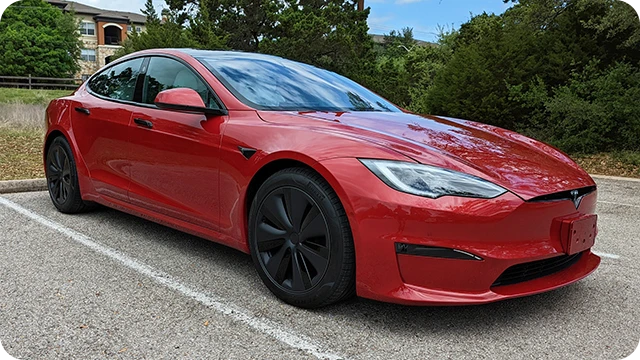
My 2022 Tesla Model S.
On the flip side, if you know you’re going to want the latest in terms of FSD and all of the related software and comfort features that it comes with, you’re probably not going to want to own a 4 or 5 year old Tesla. As someone who suffers from Tesla FOMO, I’d put it this way: you’ll still sleep well at night knowing you own one of the best cars on the market.
(Although, I am waiting for Hardware 5 to go into production before upgrading to a refreshed Model Y.)
Related Articles